
Are Refurbished E-Bikes Worth It?
A refurbished e-bike can be a smart value when the seller reduces the uncertainty: a tested battery, correct charger, documented inspection, clear warranty or return window, and a discount that is large enough to justify buying something that is not new.
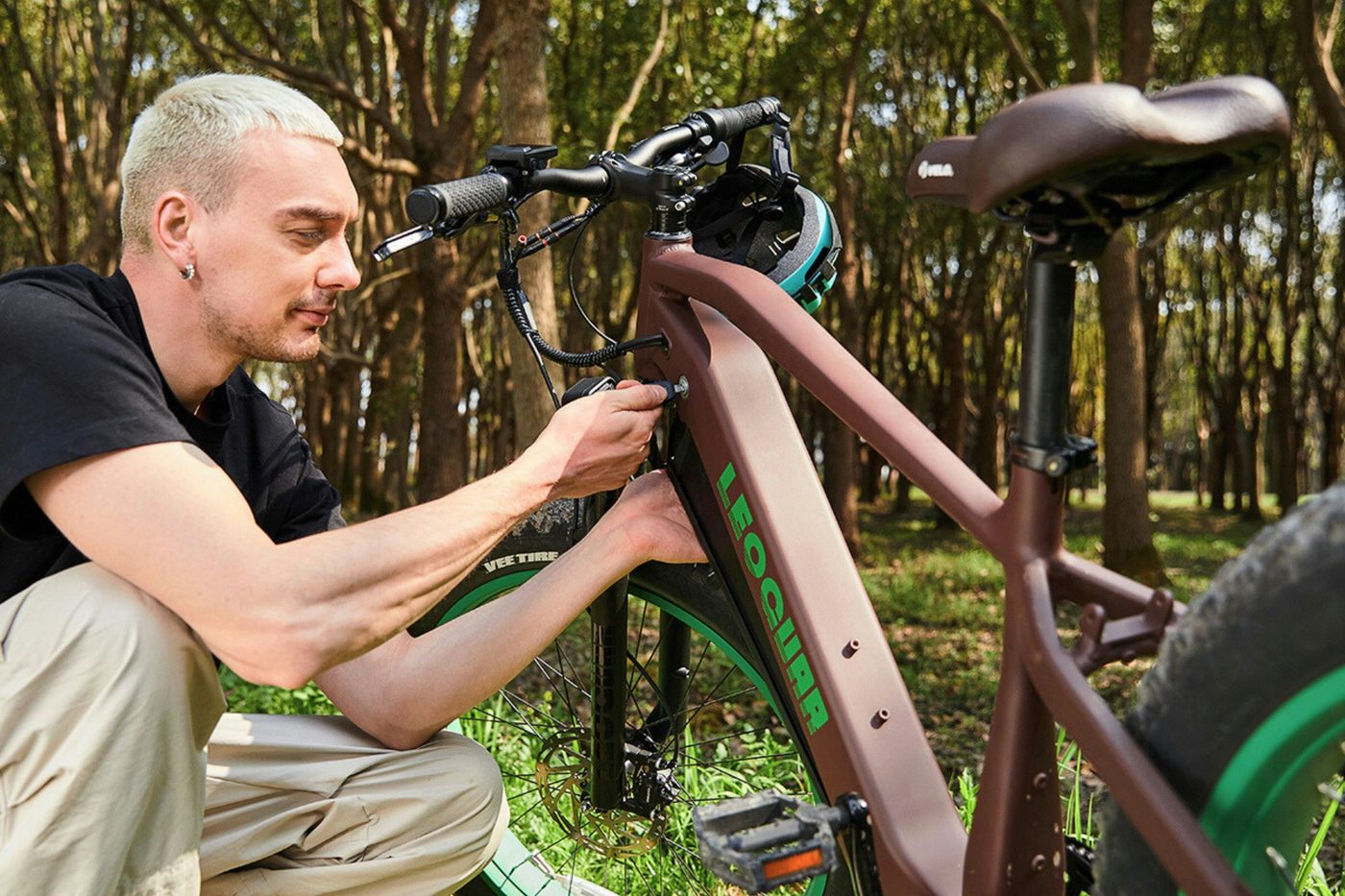
Quick answer
Yes, a refurbished e-bike can be worth it—if the discount is meaningful and the battery, charger, inspection, warranty, and return policy are documented. If the seller cannot explain what was tested or replaced, treat “refurbished” as a used bike with a nicer label and price the risk accordingly.
Green flags vs red flags
| Green flag | Red flag |
|---|---|
| The seller lists battery test results, charger status, replaced parts, inspection steps, and warranty coverage. | The listing says “refurbished” but gives no battery, charger, or warranty details. |
| You can return the bike or contact a real support team if something fails soon after delivery. | All sales are final, support is unclear, or the seller cannot explain who did the refurb. |
| The bike is from a brand with available batteries, chargers, brakes, tires, and crash parts. | The bike is cheap because the brand or electrical system may be hard to support later. |
What refurbishment should actually mean
A real refurb job usually includes a safety inspection, drivetrain and brake check, firmware or system check where relevant, and replacement of worn parts. On an e-bike, that should also include battery and charger verification, not just new grips and a wash.
If the seller cannot tell you whether the battery was tested, whether the charger is original or approved for that system, and what was replaced versus merely cleaned, assume you are buying a normal used bike with better copywriting.
Where refurbished bikes can be worth it
- Dealer trade-ins: Better when a real shop wants its name attached to the bike.
- Brand-certified used inventory: Better when there is a documented inspection process and a clear short warranty.
- Lightly used premium bikes: Better when the original owner barely rode it but the system and parts are still current.
Where refurbished bikes go wrong
- the battery is old, tired, or impossible to price correctly
- the charger is generic or mismatched
- the drive system is already from an orphaned ecosystem with weak support
- the seller offers no meaningful return window
- the discount is not big enough to justify the uncertainty
The battery is the real story
With a regular used bike, you mostly worry about frame, wheels, brakes, and drivetrain wear. With a refurbished e-bike, battery age and support matter much more. Bosch says old or worn batteries should not be repaired or refreshed by the owner, and should instead be recycled properly. That is a good reminder that “we reconditioned the battery” is not the reassuring line some sellers think it is.
If a replacement battery would cost enough to erase the entire discount, you do not have a bargain. You have delayed full-price ownership.
Questions a good refurb seller should answer easily
Ask these before you pay
- What exactly was replaced?
- Was the battery tested, and how was that described?
- Is the original charger included?
- What warranty or return window comes with the bike?
- Can local shops still get parts and service for this system?
- Is there a record of the bike's original age or mileage?
When refurbished beats new
Refurbished can win when you are buying a better bike class for the same money. A cleaned-up premium commuter or compact cargo bike with known support can be a better long-term buy than a brand-new bargain model with weak parts support and weak dealer backing.
When new is smarter
Buy new when you are already near entry-level pricing, when you need full warranty protection, or when you are nervous about battery uncertainty. The lower the price tier, the less room there usually is for a used or refurbished discount to feel truly compelling.
Bottom line
A refurbished e-bike is worth considering when the refurb is specific, documented, and backed by a real warranty or return policy. It is not worth paying a premium for a vague “checked over” bike with an unknown battery, unclear charger, and no practical support if something fails.
Still deciding between used paths?
What separates a good refurbished buy from a risky one
The strongest refurbished deals are the ones where somebody actually narrowed the uncertainty. That means a reputable seller, a clear parts list, a disclosed battery story, some kind of return or warranty window, and obvious evidence that the bike was inspected rather than simply cleaned up.
The worst refurbished buys are the ones that combine old electronics, vague battery history, and no real support options. That can feel cheap on day one and expensive by month three.
What to insist on
- Battery information: Not just “holds a charge.”
- What was replaced or serviced: Tires? brakes? drivetrain? charger?
- Who backs the sale: Shop, brand, marketplace refurbisher, or a random reseller?
- Return window: Even a short one is much better than none.
When refurbished makes more sense than used-from-a-person
Choose refurbished over random private-party used when you want less battery uncertainty, less setup guesswork, and a cleaner path if something is wrong right away. Pay attention to support, not just price.