
How to Check a Used E-Bike Battery
A buyer-focused checklist for inspecting the most expensive and most important part of a used e-bike.
Start with the battery story, not just the battery percentage
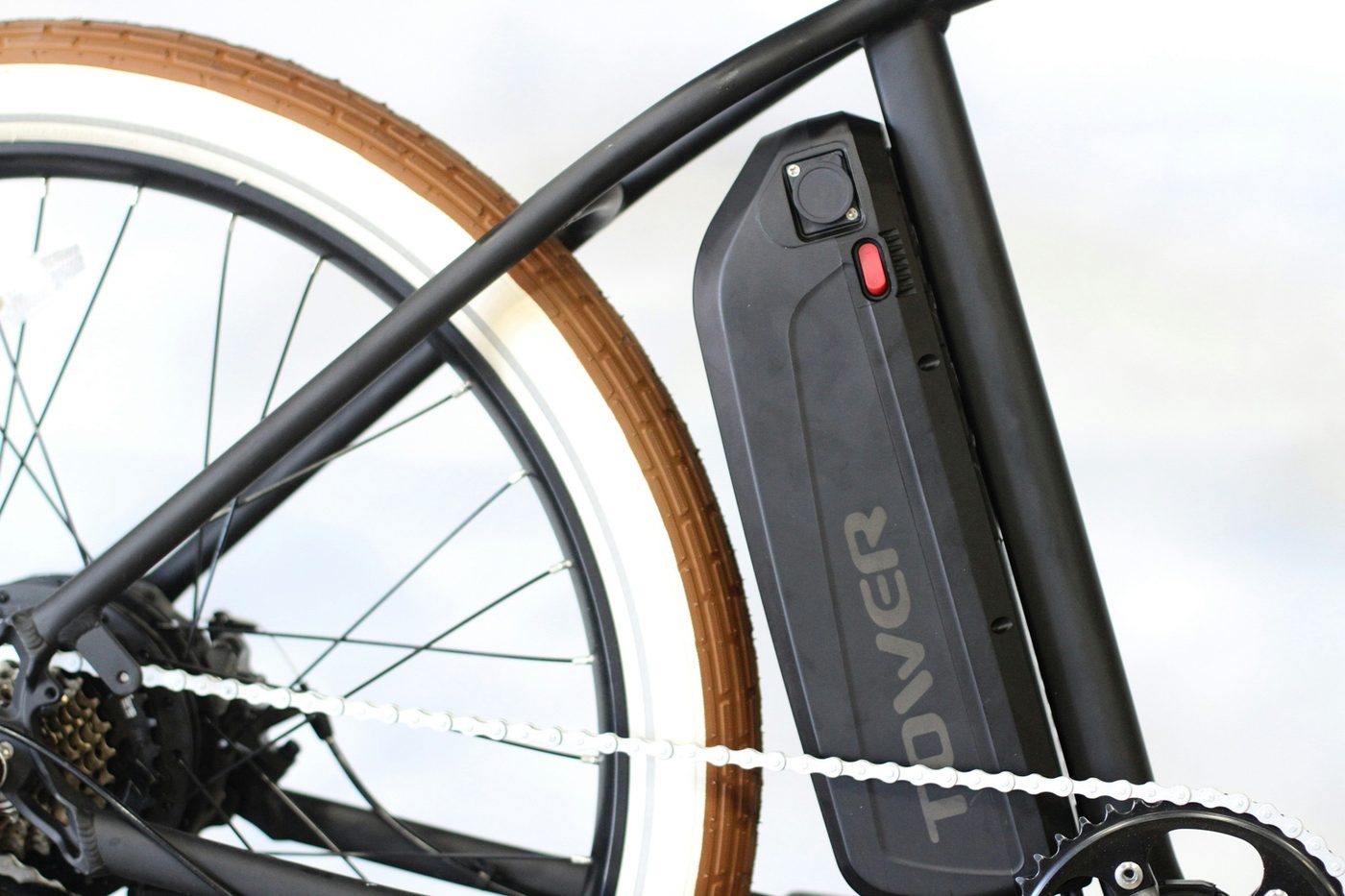
A used e-bike battery can be perfectly fine, or it can be the most expensive hidden problem on the bike. What matters is not simply whether it charges today. What matters is whether the seller can explain its age, storage habits, charge routine, and whether the system still has real support behind it.
Ask the seller these questions first
- How old is the battery and how often was the bike ridden?
- Was the battery stored indoors at moderate temperature?
- Was it ever left empty for long periods or left in extreme heat or deep cold?
- Is the original charger included?
- Has the bike or battery ever been damaged, opened, or replaced?
What good answers sound like
Good sellers usually give calm, specific answers. They know roughly when they bought the bike, where the battery lived, and how often it was used. Weak sellers get vague fast. They talk around the issue, cannot explain storage habits, or treat battery health like an annoying detail instead of part of the value of the bike.
What to check in person
- the case should not be swollen, cracked, heavily gouged, or obviously repaired
- the contacts should look clean and not badly corroded
- the battery should seat securely without looseness
- the charger should match the system and behave normally during charging
- the bike should deliver power smoothly on a real ride, not just power on in a driveway
Use the ride to catch weak batteries
A short test ride is not enough. Try to ride long enough to see whether the battery percentage drops unusually fast under modest use or whether the system behaves strangely under load. Hesitation, sudden percentage drops, error messages, or a seller who will not let you ride the bike properly are all bad signs.
System support matters as much as condition
Even a decent used battery is less attractive if the bike uses a weak support ecosystem. A clean battery on a support-poor bike is still a weaker bet than a modest battery on a system that shops still know and parts still exist for.
When to walk away
Walk away fast
Visible damage, missing charger, unexplained replacement story, or a seller who gets defensive when you ask battery questions.
Proceed carefully
Older battery, but clean condition, believable storage story, good test ride, and a strong brand support options.
Better used bet
Seller has paperwork, original charger, indoor storage habits, and can clearly explain how the bike was used.
The practical bottom line
Do not treat the battery like a checkbox. Treat it like the biggest hidden-cost risk on the bike. You want a clean physical battery, a believable ownership story, a real ride test, and a system that still has support. If any of those are missing, the deal usually gets worse very quickly.
Ask for the battery story, not just the battery itself
A healthy-looking pack can still have a bad ownership story. Ask how it was stored, how often it was charged, whether it sat empty or full for long periods, whether it lived in extreme heat or cold, and whether the seller still has the original charger and purchase paperwork.
What a cautious buyer wants to see
- original charger that matches the system
- clean contacts and a battery that locks in securely
- no swelling, cracks, impact damage, or improvised repair signs
- a seller who can describe range honestly instead of saying “works great”
Best real-world battery test
The best test is a meaningful ride with enough hills, starts, or higher assist to see whether the battery drops in a believable way and whether the bike cuts out, throws warnings, or feels inconsistent. A five-minute parking-lot spin tells you almost nothing.
When to treat the battery as a future cost
If the bike is older, the brand support is unclear, or the seller cannot answer basic battery questions, price the bike as if a replacement battery may be part of the deal later. That does not mean you walk away every time. It means you stop pretending the battery is a free bonus.
Best next reads
Use these follow-up pages to connect this decision to your route, storage setup, and daily ownership reality.
What you can verify before you trust the battery
A used battery check is really a credibility check. You are looking for consistency between what the seller says, what the charger and battery labels show, how the bike behaves on a short ride, and whether the support ecosystem still looks alive. If the story gets vague at any point, treat that as data.
Bosch’s published battery-care guidance is useful here because it gives buyers a reference for what responsible storage looks like: room-temperature storage, roughly 30% to 60% charge for longer periods, and avoiding extreme neglect. A seller who knows nothing about the battery history may still be honest, but the risk is plainly higher.
You rarely need laboratory certainty to say no. You just need enough uncertainty to know the price no longer makes sense.