
Should You Buy a Used E-Bike?
Sometimes buying used is a smart way to move up a category without paying full retail. Sometimes it is just a cheaper way to inherit battery uncertainty, parts headaches, and a bike that never really fits your life. The answer depends on what you are buying, how old it is, and how honest you are about your tolerance for risk.
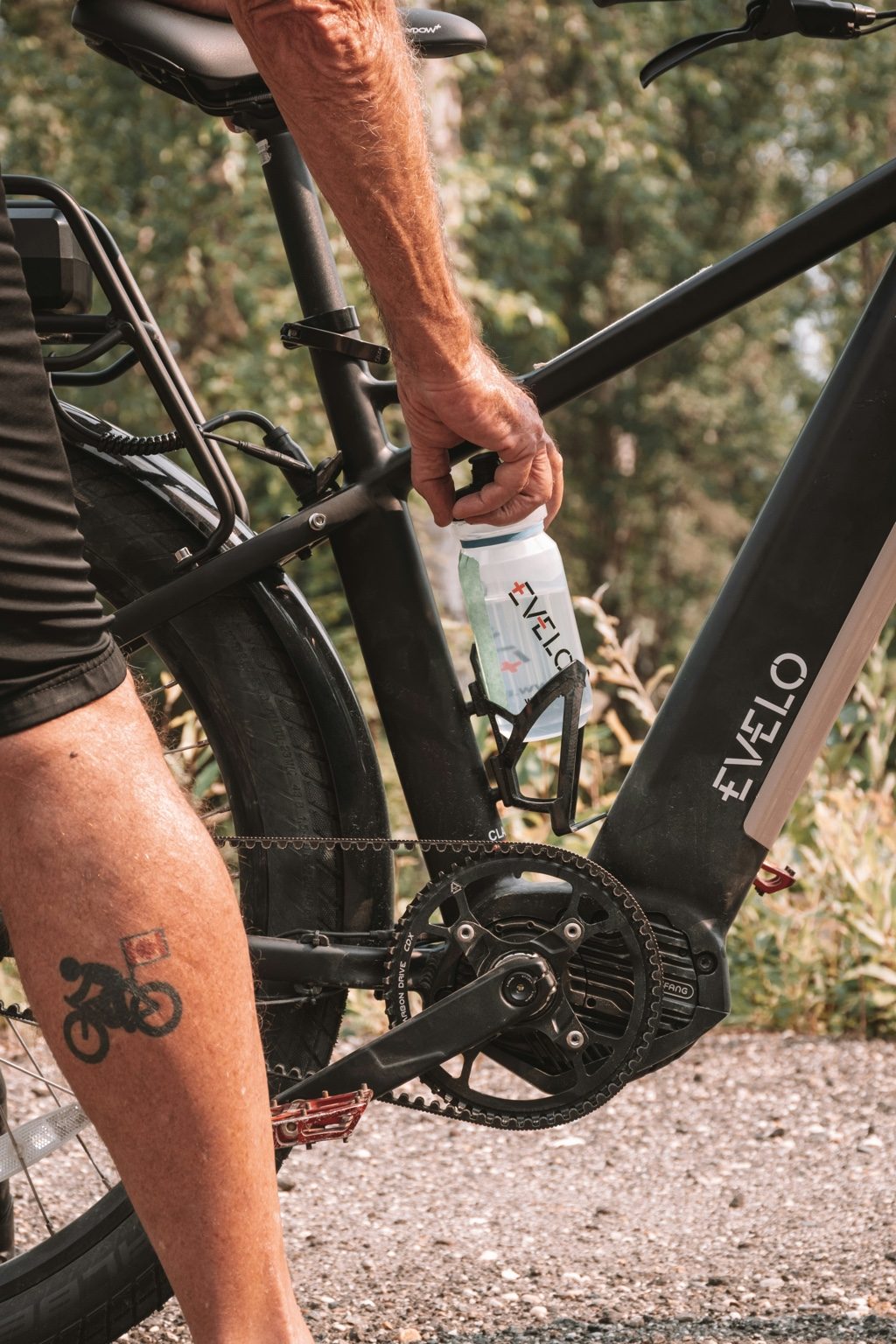
Used can be smart when the bike is from a known brand, the fit is right, and the battery story is credible.
Used gets much worse fast when the battery, charger, parts support, or seller story feel vague.
The short version
A used e-bike can make sense if it gets you into a better category of bike than you could afford new. It can also be a bad value if the money you save is small compared with the uncertainty you take on. Bosch explicitly advises using the original charger and treating damaged or opened batteries as a serious problem that should not be improvised around. Bike Index also frames registration and serial-number verification as part of theft recovery and ownership proof, which matters even more in private-party used sales.
When used makes the most sense
Used is most attractive when you are looking at a recognizable model from a brand with clear support, replacement parts, and known sizing. It also makes more sense when the bike is simple, your route is not very demanding, and you can inspect it in person. The best used-buy logic is usually not “this is cheap.” It is “this gets me into a better-built bike than I could buy new at the same money.”
Battery risk is the whole game
The battery is the biggest reason used e-bikes are different from used regular bikes. You are not just looking at cosmetic wear. You are looking at age, charge history, storage habits, crash history, charger correctness, and whether the seller can tell a believable ownership story. If the battery, charger, or seller explanation feel vague, your deal probably is too. That does not mean used is bad. It means used only works when the battery story feels clear enough to trust.
What to check before you say yes
- Model name, serial number, and proof that the bike is actually what the seller says it is.
- Original charger and whether it still matches the bike.
- Battery condition, lockup, fit, and any signs of damage or weird heat/smell history.
- Brake feel, drivetrain wear, wheel condition, and whether the bike fits you at all.
- Whether parts, batteries, and service are still realistically available.
Where buyers usually go wrong
- They buy used just because the price looks low, not because the bike is actually a better category buy.
- They accept a fuzzy battery story because the rest of the bike looks clean.
- They buy a used bike that never fit their apartment, commute, or carry reality in the first place.
- They forget to check serial numbers, registration, and theft-recovery tools like Bike Index.
So, should you buy used?
Yes, if… the bike is from a known brand, the fit is right, the battery story is credible, and the savings are meaningful enough to justify the remaining uncertainty. No, if… you are already uneasy about the battery, the seller cannot answer basic questions cleanly, or the used deal only saves a little money versus buying a better-fit new bike. Used works best when it buys you quality, not just when it buys you a lower number.
Used is best when the seller reduces uncertainty
A used e-bike is easiest to recommend when the seller can answer boring questions clearly: exact charger, exact key count, battery age, serial number, service history, original purchase source, and why they are selling. Good used deals usually come from owners who make the bike feel easier to trust, not just cheaper to buy. A vague seller with a vague battery story is not really selling you a bargain. They are selling you risk at a discount.
That is why used works best for common bikes from brands with known parts paths and normal support, especially if you can still get charger, battery, or display help later. It works worst when the bike is already old enough that battery replacement, software support, or odd proprietary parts are becoming question marks. The more the seller lowers uncertainty, the more used makes sense.
Use these before you buy a used one
These pages help if the used-bike question is really about budget, battery confidence, or whether a certain category of bike actually fits your life.
Used is smartest when uncertainty is controlled
A used e-bike makes the most sense when the seller can remove uncertainty quickly. That means a believable battery story, a clear charger story, a visible serial number, and enough brand support that you are not gambling on a dead-end system. The right used bike can save real money. The wrong one can turn a discount into an ownership project before the first month is over.
This is why recognizable support ecosystems matter more on the used market than they do on the showroom floor. A used bike with documented service, current replacement parts, and a live charger/battery ecosystem is often a safer bet than a cheaper mystery model that looks similar from ten feet away.
If you cannot get confident about the battery, charger, and support options, used stops being “smart shopping” and starts becoming speculation.