
E-Bike Safety & Ownership
This is the part of the buying decision that determines whether the bike still feels smart after the honeymoon period. Good ownership is mostly about routine: charging, locking, parking, service, passenger safety, and whether the bike fits your building and your habits.
Quick take
- The safest e-bike setup is the one you can actually maintain on rushed weekdays, in bad weather, and when the battery is low.
- Start with storage, charging, and theft routine before you obsess over motor power or top speed.
- If a bike is hard to park, hard to lift, or awkward to charge, ownership hassle shows up fast.
What ownership problems usually surprise buyers
Most bad e-bike ownership experiences do not start with the motor failing. They start with small daily annoyances that add up. The bike is heavier than expected. The charger lives in the wrong room. The battery is awkward to remove. The lock routine is too slow for errands. The bike fits on paper but not through the hallway turn. Those are the issues that decide whether a bike becomes everyday transportation or expensive clutter.
The cleanest way to think about ownership is to ask four boring questions. Where will the bike sleep? Where will the battery charge? How will you lock it on normal stops? Where will you get service when something is wrong? If those answers are weak, the rest of the shopping list matters less.
The five ownership filters that matter most
- Storage fit: Weight, wheelbase, and turning room matter more than spec-sheet hype if you live in an apartment or shared building.
- Charging routine: A removable battery is a big deal if the outlet is not near the parking spot or if indoor battery charging is your only realistic option.
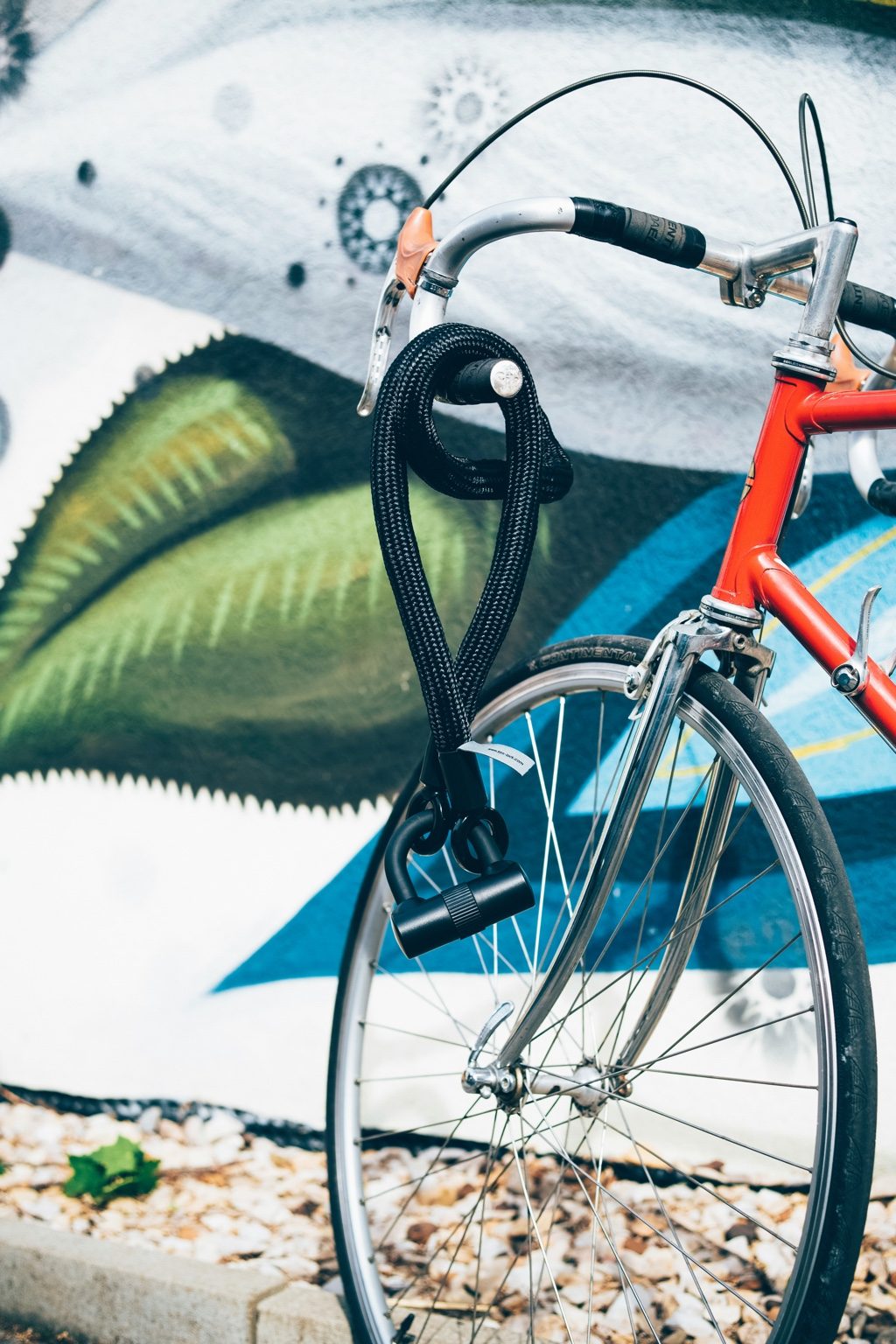
- Theft routine: Good locks, good parking habits, and registration matter more than any single security feature.
- Service path: Dealer-backed systems and brands with real parts support usually age better than bargain bikes with vague after-sale support.
- Passenger and cargo realism: Carrying kids, groceries, or work gear changes what counts as a “good fit” more than most first-time buyers expect.
How to use this section
If your biggest concern is indoor charging, start with Where to Keep an E-Bike Charger, How to Charge an E-Bike Battery Safely, and When a Removable Battery Is a Must.
If your biggest concern is theft or street parking, go to How to Lock an E-Bike, Should You Insure an E-Bike?, and Should You Register Your E-Bike?.
If you are still deciding whether the bike fits your building or your commute, the best next reads are How Much Space Do You Need for an E-Bike at Home?, How Heavy Is Too Heavy for an Apartment E-Bike?, and Is a Folding E-Bike Good Enough for Daily Commuting?.
The practical ownership mindset
Buy the bike you can keep secure, keep charged, and keep moving without drama. A slightly less exciting bike with a clean routine usually beats the more powerful bike that turns storage, service, or parking into a chore.
What actually makes an e-bike feel easy to own
Most ownership frustration does not come from dramatic failures. It comes from repeated small annoyances: nowhere good to lock, awkward charging, unclear service support, too much weight for your route, or a bike that only works well in perfect conditions. Those are the problems that turn a promising bike into one you quietly stop using.
The five questions worth asking early
- Where will it live? Not just “garage” or “apartment,” but the exact door, corner, rack, elevator, and outlet situation.
- How will it charge? Whole bike downstairs, battery upstairs, work charging, shared outlet, overnight routine.
- How will it lock? Frame shape, wheel security, anchoring options, and whether the parking spots you actually use are realistic.
- Who will service it? Dealer network, parts availability, and whether your local shops actually touch that system.
- What makes the daily ride hard? Hills, carrying kids, stairs, headwinds, winter, distance, or office clothes.
Use this section like a hassle checklist
The point of safety and ownership guidance is not to scare you away from e-bikes. It is to spot the routine problems before they become expensive. If a page in this section feels personally relevant, it usually means that factor deserves real weight in your buying decision.
What a low-drama ownership setup looks like
A low-drama e-bike setup usually has a boring routine, which is exactly the point. The charger has a fixed home. The lock routine is always the same. The battery is either easy to remove or the bike parks near a usable outlet. The rack, basket, or bag setup matches the stuff you actually carry. Nothing about that sounds glamorous, but it is what makes the bike feel dependable on rushed mornings and tired rides home.
The most useful mindset is to treat safety and ownership as one system. Battery care, theft prevention, maintenance, passenger setup, and route choice all affect one another. A bike that is safe on paper can still be a poor ownership choice if the parking spots are terrible, the frame is too awkward to lock well, or the service options is vague when something electrical goes wrong.
What to fix first after purchase
- Locking: Build a repeatable lock routine before you start leaving the bike in more places.
- Charging: Decide where the charger lives and whether daily battery removal is realistic.
- Carrying: Set up the rack, bag, or child-carrying system before you overload a weak setup.
- Service: Know who can actually work on your motor system, brakes, and wheels before the first problem shows up.
The safest bike is the one your routine supports
Safety is not only about a checklist of equipment. It is about whether your daily routine supports the bike you bought. A very heavy bike with a great spec sheet can still be a poor ownership choice if you need to carry it upstairs, park it awkwardly at work, or charge it in a way that constantly creates hassle. Likewise, a fast bike with weak carrying stability or poor storage fit may be less safe in real life than a calmer, slower one that fits your routine cleanly.
Bosch’s battery-care guidance is a good reminder that safety also includes ordinary habits: charge in a dry room, use the intended charger, store the battery indoors and around room temperature when possible, and keep longer-term storage around 30% to 60% charge. Those habits matter more to long-term safety than dramatic one-off advice.
A practical ownership fit is one of the most underrated safety features an e-bike can have.
Questions buyers ask before and after buying
These pages cover the practical issues that experienced riders and careful shoppers surface again and again: where to buy, how to service the bike, whether the battery can be replaced, what accessories are actually needed, and what to inspect after real use.
Online vs Local Shop
Price, service, test rides, assembly, and support tradeoffs.
Can an E-Bike Battery Be Replaced?
Battery availability, certification, cost, and long-term support.
Needed Accessories
Helmet, lock, lights, cargo, and charging basics.
First 100 Miles Checklist
Brake, tire, bolt, wheel, battery, and fit checks after break-in.
Repair and battery ownership guides
E-Bike Repair Near Me
What to ask before choosing a shop or buying a direct-to-consumer e-bike.
E-Bike Motor Repair Guide
How to think through motor symptoms, error codes, and support.
Can an E-Bike Battery Be Repaired?
When repair is realistic and when replacement is safer.
Electric Bike Battery Replacement Guide
Compatibility and safety checks before buying a replacement pack.