
Electric Bike Comparisons
Use this section when you have a real shortlist and need to decide which bike, brand, or category fits your daily life better.
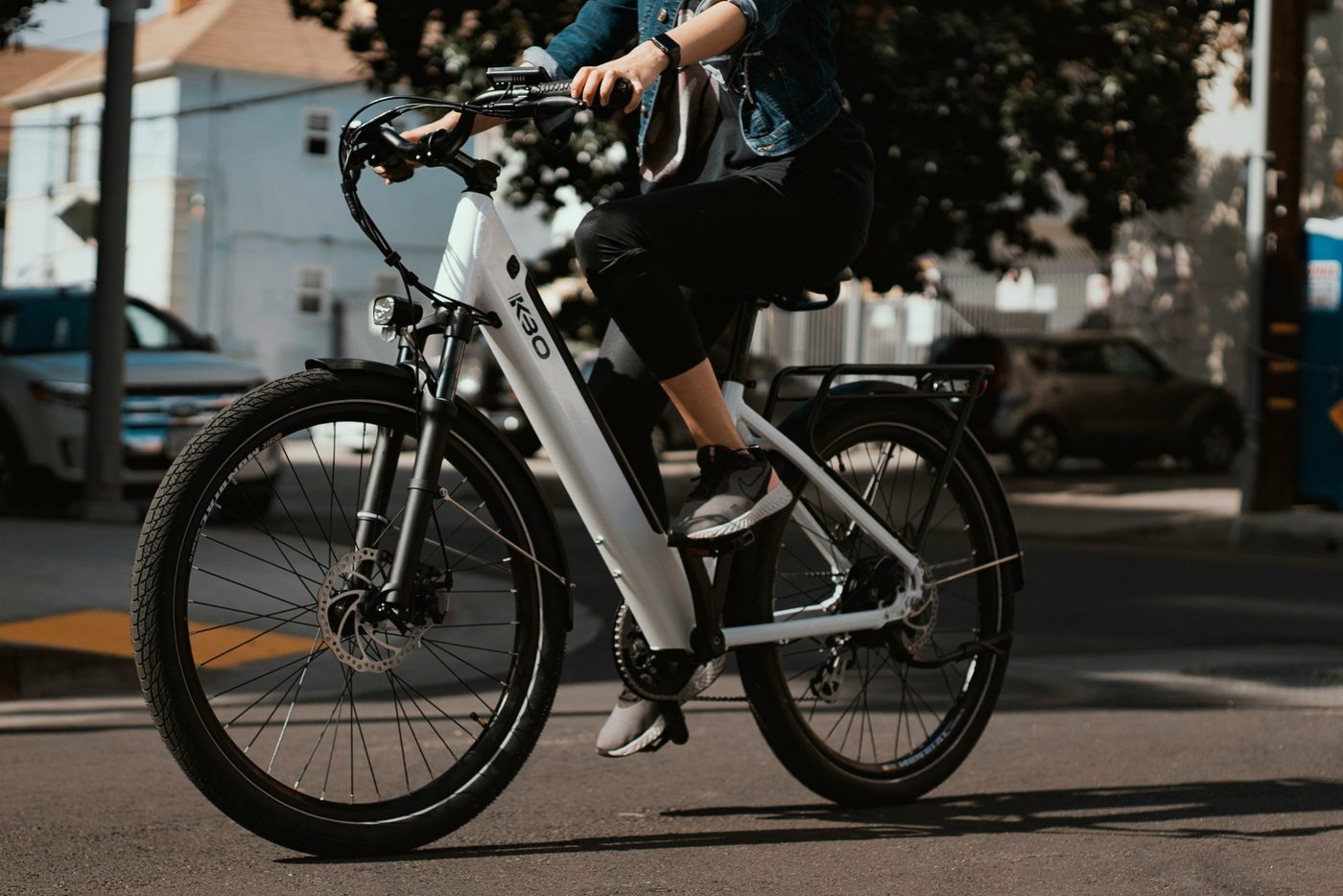
The best comparison is not just the bike with the bigger motor, larger battery, or louder spec sheet. It is the bike that best matches your route, storage situation, service options, comfort needs, and budget after accessories.
How to use this guide
- Start with a brand comparison if you are choosing between companies or model families.
- Use model-vs-model pages when you are down to two realistic contenders.
- Use category comparisons when the bigger question is folding vs standard, cargo vs trailer, or hub drive vs mid-drive.
- Keep the Compare Electric Bikes worksheet open so every page is judged by the same routine: fit, storage, battery, support, service, and total hassle.
Core comparison tools
Compare Electric Bikes Worksheet
A practical checklist for comparing fit, storage, range, support, service, and ownership hassle.
Spec Comparison Chart
Translate motor, torque, battery, brakes, weight, payload, and range claims into real buying tradeoffs.
Electric Bike Brands Compared
Start here if you are choosing between Aventon, Lectric, Rad Power, Ride1Up, Velotric, and similar brands.
Model Guides
Use these when one specific model keeps showing up on your shortlist and you need a buyer-fit read.
Brand comparisons
Brand pages are useful when the right choice is less about one model and more about the kind of ownership experience you want: budget value, dealer support, utility accessories, lighter commuter feel, or comfort-first riding.
Lectric vs Aventon
Value and compact practicality versus a more polished commuter feel.
Rad Power vs Aventon
Utility-first reputation versus a smoother commuter-oriented lineup.
Aventon vs Ride1Up
Mainstream commuter polish versus lighter performance-value choices.
Lectric vs Rad Power Bikes
Value-forward utility versus cargo and accessory-heavy practicality.
Lectric vs Ride1Up
Compact value utility versus cleaner, more bike-like commuter feel.
Aventon vs Velotric
Mainstream recognition versus comfort-focused commuter and fat tire options.
Lectric vs Velotric
Practical value and utility versus comfort, polish, and newer safety-feature positioning.
Ride1Up vs Velotric
Sleek city value versus upright comfort and feature-rich commuter positioning.
Rad Power vs Ride1Up
Accessory-heavy utility versus lighter, cleaner commuter value.
Popular model and category comparisons
These pages are most useful when you already know the broad job: commuting, apartment storage, family hauling, school runs, hills, or city riding.
Aventon Level vs Pace
More commuter utility versus easiergoing comfort and simplicity.
Folding E-Bike vs Standard Commuter E-Bike
Compact storage versus daily ride quality and less compromise.
Mid-Drive vs Hub-Drive E-Bike
Hill-climbing efficiency and bike-shop familiarity versus simpler, cheaper hub-drive ownership.
Fat Tire vs Standard Tire E-Bike
Comfort and rough-surface confidence versus weight, storage, and pavement efficiency.
Throttle vs Pedal Assist
Easy starts and low-effort control versus a more natural bicycle-like ride.
Class 1 vs Class 2 vs Class 3
Understand how assist type and speed can affect where and how you ride.
Family, cargo, and one-bike-household comparisons
Family and cargo decisions should be judged around loading, passenger stability, parking, accessories, and service access. The cheaper bike is not always cheaper if it needs several add-ons or feels awkward once loaded.
Abound SR vs XPedition 2.0
Compact family utility versus bigger cargo value and growth room.
RadRunner Plus vs Abound SR
Casual compact utility versus a more security-forward compact cargo tool.
Cargo E-Bike vs Regular E-Bike for School Runs
Use this when the real fork is family routine, not model brand preference yet.
Cargo E-Bike vs Trailer
Integrated hauling versus a removable trailer setup for occasional family loads.
What to compare besides the spec sheet
| Question | Why it matters |
|---|---|
| Where will it live? | Apartment stairs, garages, office bike rooms, and outdoor racks change the right answer quickly. |
| Who will service it? | A cheaper direct-to-consumer bike can be frustrating if no nearby shop will touch the electrical system. |
| How much range margin do you need? | Cold weather, hills, payload, and aging batteries can make advertised range feel optimistic. |
| What accessories are required? | Locks, racks, bags, child seats, mirrors, lights, and chargers can change the real price. |
| What happens after year two? | Battery availability, warranty clarity, and parts support matter more after the purchase glow wears off. |
Questions to answer before you buy
Online vs Local Shop
Price, service, test rides, assembly, and support tradeoffs.
Find Service Before Buying
How to avoid owning a bike nobody nearby will work on.
Can the Battery Be Replaced?
Battery availability, certification, cost, and long-term support.
E-Bike Warranty Guide
What warranty length does and does not tell you.
How to use this page
This page is reviewed under ElectricBikeCompare editorial standards and published by Nofo Times LLC. The goal is to help you choose around fit, storage, charging, support, safety, and day-to-day ownership, not just the best-looking spec sheet. Where a page leans on manufacturer claims, we cross-check them against the practical tradeoffs buyers usually run into after purchase.
For the full site method, read How We Evaluate E-Bikes or contact info@electricbikecompare.com.