
Best Bag Setup for an E-Bike Commute
The best commute bag setup is the one that keeps weight off your back when possible, carries laptop and rain gear cleanly, and does not make the bike awkward to park, carry, or load every day.
Quick take
- Rear pannier setup is usually the best answer for everyday commuting because it keeps sweat and shoulder strain down.
- Backpack is still fine for short rides, train transfers, and lighter loads.
- Basket or front bag works best for quick-access items, not as the whole system for a heavier work commute.
The best default setup for most commuters
If your bike has a solid rear rack, the smartest default is usually one good pannier or a matched pair of smaller panniers. That gets the load off your shoulders, keeps your back cooler, and makes the bike feel more like transportation instead of a workout with a laptop attached.
For most riders, one waterproof pannier plus a small quick-access pouch solves almost everything: laptop, charger, lunch, lock extras, rain shell, and a few repair basics.
When a backpack is still the right choice
- your ride is short and you are not carrying much
- you mix biking with stairs, elevators, trains, or office walking
- your bike does not have a useful rack yet
- you need one bag that works on and off the bike without fuss
The downside is simple: backpacks get sweaty, feel heavier over time, and become more annoying the moment you add shoes, lunch, or a laptop charger.
Best bag roles for a real commute
Main carry bag
This should hold the heavy items: laptop, lunch, charger, lock accessories, and extra layer. A rear pannier is usually best here.
Quick-access pocket or top pouch
This is where badge, gloves, glasses, wallet, and smaller items belong. You do not want to dig through a deep pannier every time you reach the office door.
Weather layer spot
If you commute often, make room for a rain shell, extra gloves, or a compact overlayer even when the forecast looks fine.
How much carrying space most commuters actually need
- Light commute: phone, keys, badge, small lock item, maybe lunch.
- Typical office commute: laptop, charger, lunch, water, layer, tools, lock extras.
- Long or mixed-weather commute: add spare shirt, rain gear, maybe shoes.
That is why many buyers outgrow a backpack faster than they expect. The issue is not just volume. It is comfort and daily hassle.
What to avoid
- oversized rear trunk bags that make parking and carrying groceries awkward
- cheap mounts that rattle or release badly
- front-heavy setups that make steering feel floppy
- bags that are miserable to carry through the office once you get off the bike
How to choose between one pannier and two
One pannier is better for most solo commuters because it is lighter, simpler, and easier to carry into work. Two panniers make more sense if you regularly carry groceries after work, gym clothes, or bulkier seasonal gear.
When a basket earns its place
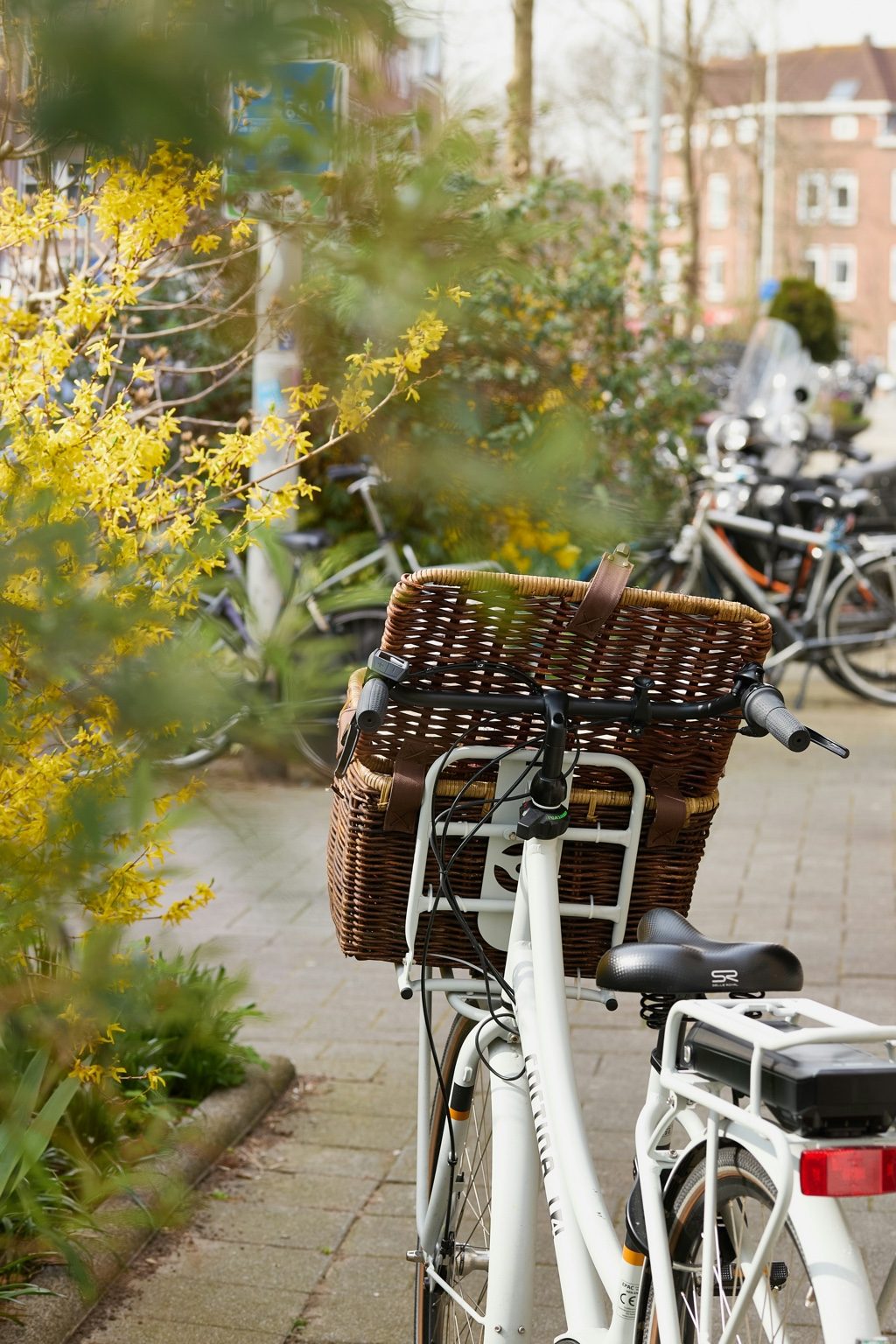
A basket is great for drop-in convenience: coffee, light errands, a small tote, or a lunch bag you do not want crushed. It is not always the cleanest answer for laptops and electronics unless paired with a better protective inner bag.
What makes a commute bag setup feel better all week
The best bag setup is not the one that carries the most. It is the one that gets weight off your back, keeps the bike stable, and lets you grab work essentials without exploding the whole load at the office. Many commuters do best with a rear rack bag or pannier for laptop, lunch, and charger, plus a much smaller quick-access pocket for lock keys, wallet, and phone. That split keeps the daily routine calmer. A giant single bag often turns every stop into a rummaging session, while a too-small setup pushes weight back onto your shoulders.
- Best all-around approach: main load on the bike, tiny essentials easy to reach.
- Avoid: overloaded backpacks on already upright comfort bikes.
- Best tiebreaker: choose the setup that lets you park, unlock, and walk inside without a gear explosion.
Bottom line
For most adult commuters, the best bag setup is a rear-rack pannier plus one small quick-access pocket or pouch. Use a backpack when the ride is short or multi-modal. Use a basket as a helper, not as the whole plan. The best setup is the one that still feels easy on an ordinary Tuesday, not just on day one.
Build the rest of the commute setup here
How to use this page
This page is reviewed under ElectricBikeCompare editorial standards and published by Nofo Times LLC. The goal is to help you choose around fit, storage, charging, support, safety, and day-to-day ownership, not just the best-looking spec sheet. Where a page leans on manufacturer claims, we cross-check them against the practical tradeoffs buyers usually run into after purchase.
For the full site method, read How We Evaluate E-Bikes or contact info@electricbikecompare.com.