
Do E-Bikes Need Assembly After Delivery?
Most e-bikes shipped to your door arrive partly assembled, not ready to ride straight out of the box. The real question is whether final setup is a quick handlebar-and-pedal job or a reason to pay for shop assembly before the first ride.
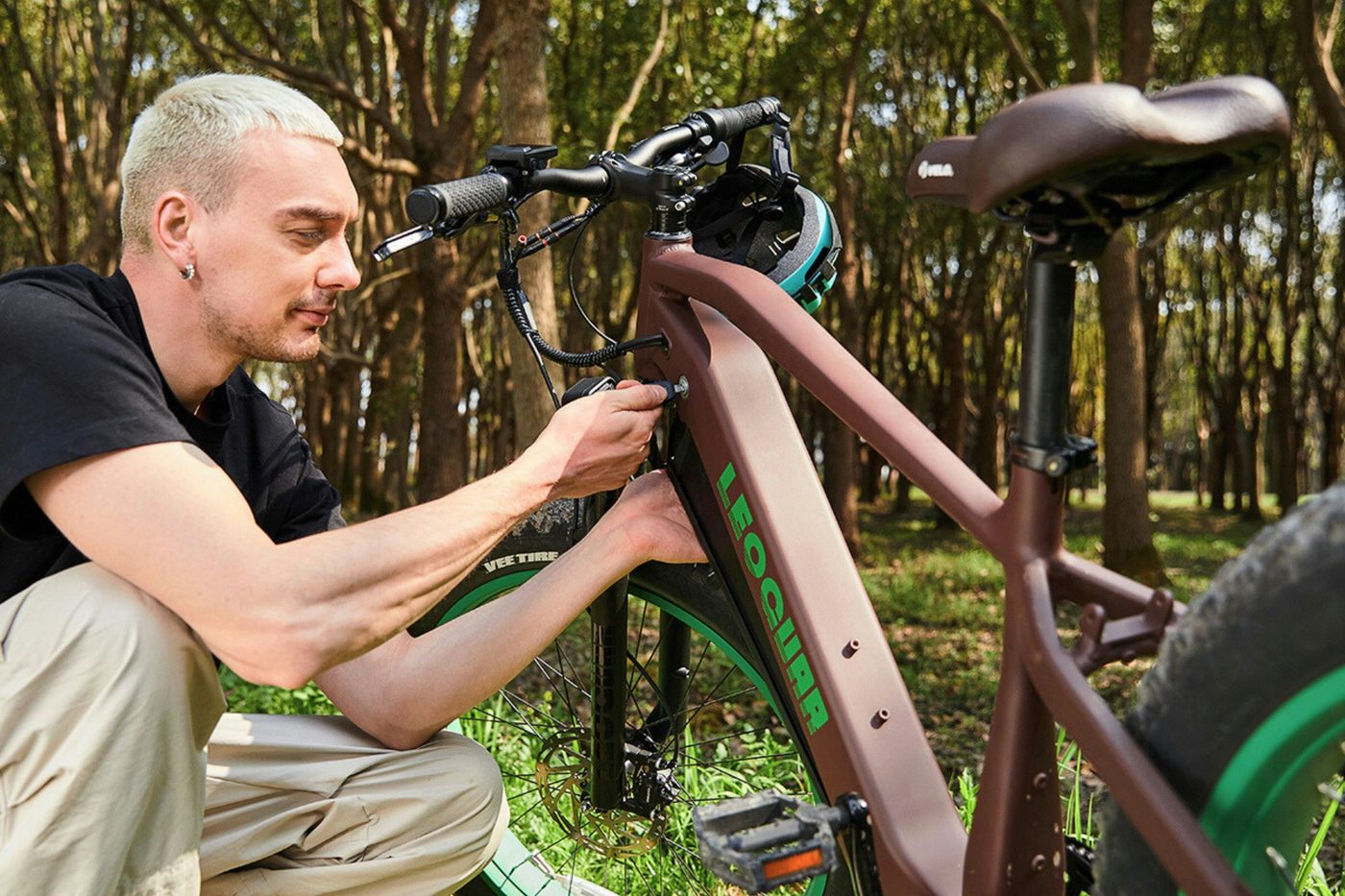
Quick answer
- Most shipped e-bikes do not arrive fully assembled. They usually arrive mostly built, with final setup still required.
- Expect to install or straighten the handlebar, attach pedals, secure the front wheel or front-end hardware, adjust accessories, inflate tires, and check brakes before riding.
- Pay for assembly if the bike is heavy, cargo-capable, will carry a child, or if you cannot confidently check brakes, wheel security, and cockpit tightness.
What “partly assembled” usually means
| Buyer question | Practical answer |
|---|---|
| Can I ride it right out of the box? | Usually no. A boxed e-bike still needs final assembly and a safety check before the first ride. |
| How hard is e-bike assembly? | Easy for a confident home mechanic on a simple bike; frustrating for a first-time buyer with a heavy cargo bike, apartment hallway, or no tools. |
| Is professional assembly worth it? | Often yes if the bike is expensive, heavy, kid-carrying, or needed immediately for commuting. |
| What is the real risk? | Not just inconvenience. A loose front end, poorly seated wheel, brake rub, loose pedals, or bad tire pressure can make a good bike feel unsafe or badly made. |
What usually arrives unfinished
Most boxed bikes still need bars straightened, pedals installed, the front wheel or front-end hardware secured, accessories attached, tire pressure checked, and the whole bike looked over for adjustment issues. On heavier models, simply moving the bike around during setup can be the most annoying part.
What buyers forget to count
- space needed to unbox a very large carton
- the cleanup and recycling mess afterward
- tools you may not already own
- a post-delivery safety check if you do not want to trust your own setup
- how quickly frustration makes a new bike feel worse than it really is
When box delivery is still totally reasonable
- you have floor space and basic tool confidence
- the bike is a simpler commuter, not a giant family cargo rig
- you already expect a local shop to do a tune or safety check
- you do not mind spending part of a weekend on setup
When assembly changes the whole buying decision
Apartment riders, time-starved commuters, and buyers jumping straight into a heavy cargo bike should take setup burden seriously. A giant bike in a giant box is not a theoretical inconvenience. It can be the exact moment a "great deal" starts to feel like a bad fit for real life.
Ask these questions before ordering
- Where will the box go when it arrives?
- Who will help if the bike is too heavy to maneuver alone?
- Do you have a local shop willing to finish or check the build?
- Will a delayed first ride wreck the point of buying the bike now?
- Is dealer delivery available for a price that is worth your sanity?
Dealer delivery is sometimes the better value
Paying for proper assembly can be money well spent if it gets you a checked bike, a smoother first ride, and a local service relationship from day one. That matters even more for bikes that will carry kids, haul weight, or become daily transportation immediately.
What usually arrives partially assembled
Most direct-to-consumer e-bikes do not arrive as a sealed box you can ride out of immediately. Common last-step tasks include straightening or installing the handlebar, attaching the front wheel, mounting pedals, positioning the headlight, checking the brake lever alignment, and inflating tires to something more realistic than shipping pressure. Some brands make this easier than others, but even "easy assembly" still assumes a buyer who can follow directions carefully and spot when something feels wrong.
What should happen before the first ride
- confirm the bar, stem, seatpost, pedals, and front wheel are tightened correctly
- check that the brakes stop the bike cleanly without rotor rub severe enough to signal setup issues
- verify the derailleur shifts through the cassette without skipping under light load
- make sure the battery is latched correctly and the charger is the right one for the bike
- do a short low-speed test before treating the bike like a finished commuter tool
Who should pay for shop assembly
Pay for shop assembly when you are not comfortable checking brake setup, wheel security, rotor rub, or shifting. Also pay for it when the bike is heavy enough that correcting mistakes is harder, or when the bike will carry kids and you do not want any doubt about setup. Saving a little money at delivery is not a win if you spend the first month second-guessing the bike.
What first-week setup problems actually look like
Most shipped e-bikes do not arrive as dangerous piles of parts, but many still need enough setup that a careless first ride can feel rough. The usual trouble spots are handlebar alignment, front wheel installation, brake rub, rotor noise, loose pedals, fender clearance, rack bolts, and tire pressure that is nowhere near ideal. That means delivery bikes are easiest for buyers who either enjoy a small setup project or have a local shop willing to do a once-over.
If you want a zero-fuss start, buying assembled from a local dealer or paying for a professional build can be worth more than a small online price advantage.
Add assembly to the purchase price before comparing bikes
A boxed e-bike can still be the right deal, but the comparison is not fair unless you include tools, time, cleanup, possible shop labor, and the hassle of correcting small setup issues. A slightly more expensive dealer-built bike can be the better value when it gives you a checked first ride and a local service relationship.
Bottom line
Most e-bikes delivered in a box need some assembly after delivery. If you already know how to check a front wheel, cockpit, brakes, pedals, battery latch, and tire pressure, box delivery can be fine. If not, treat professional assembly or dealer delivery as part of the bike’s real price, especially for cargo bikes, family bikes, and daily commuters.
When professional assembly is worth paying for
Box delivery can be perfectly reasonable, but first-time buyers should not treat assembly as a tiny detail. A poorly adjusted brake, loose axle nut, misaligned derailleur, or under-torqued cockpit can turn a good bike into a frustrating one.
Professional assembly is worth considering if the bike is heavy, has a hub-motor rear wheel, will carry a child, or will be used for commuting right away. It is also worth asking whether the assembler will do a short post-assembly check after the first few rides.
Next, read what to check after the first 100 miles and whether local shops will work on the bike.