
Do You Need Suspension on an E-Bike?
Suspension can make a rough route meaningfully more comfortable, but it can also add weight, cost, and one more service item to a bike that mostly lives on normal pavement.
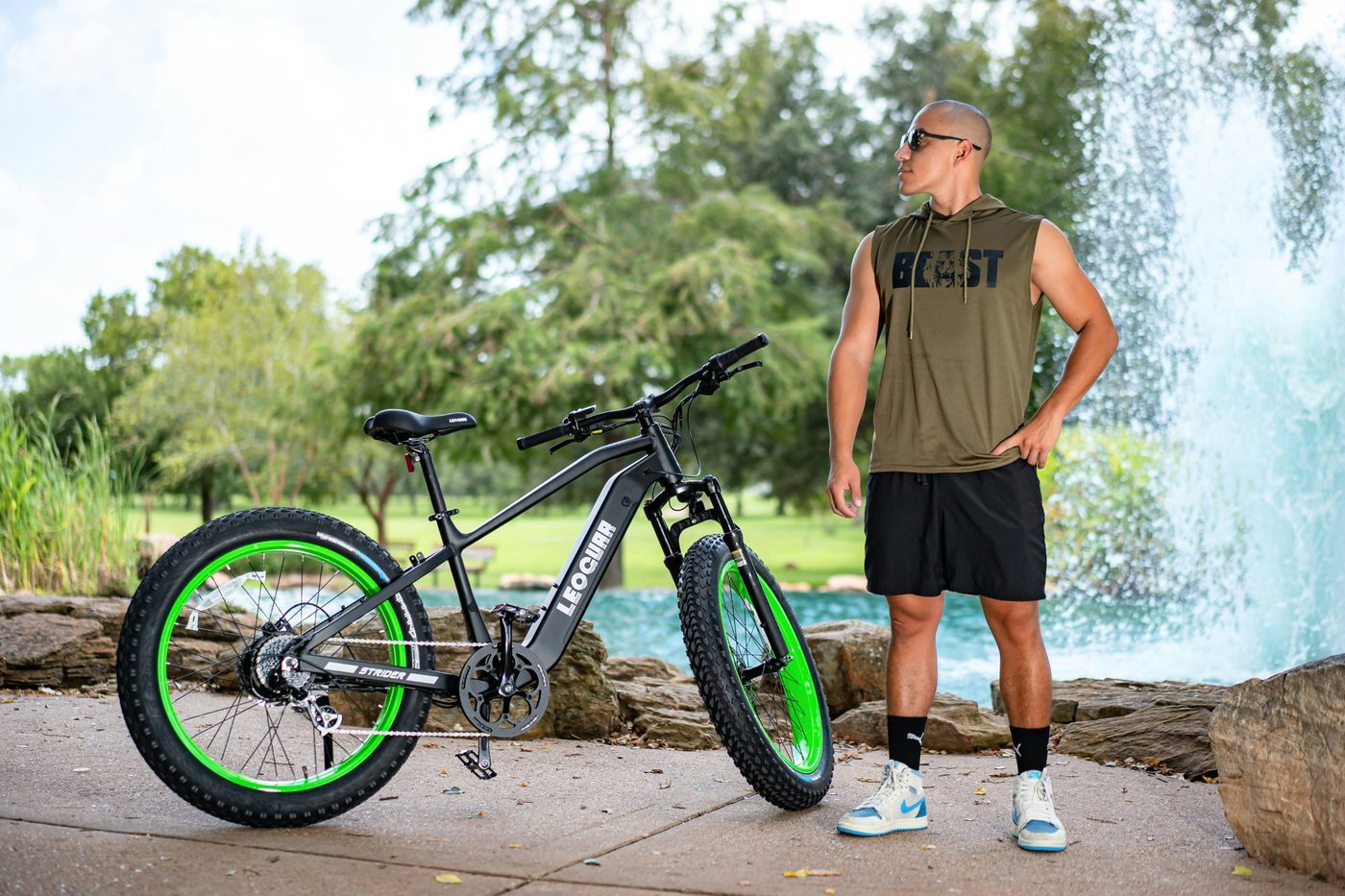
Quick take
- Most city riders do not need lots of suspension travel. They need the right tire volume, pressure, and riding position.
- Suspension earns its keep when your roads are rough enough to create daily hand, wrist, shoulder, or lower-back fatigue.
- If you live upstairs, use transit, or care about simple ownership, extra weight and fork upkeep matter more than the showroom pitch suggests.
Your route includes broken pavement, potholes, expansion joints, curb cuts, or long mixed-surface rides.
They buy suspension because it sounds premium, even though their real problem is high tire pressure, harsh grips, or a poor fit.
You are choosing between a lighter city bike and a more comfort-oriented commuter that will live with worse roads every day.
What suspension actually fixes
Suspension is most useful when the route is physically beating you up. A decent fork can take the edge off repeated hits from cracked pavement, curb transitions, bridge joints, and rough bike-lane repairs. That matters more on a faster, heavier e-bike than on a light acoustic bike because the bike carries more speed and more mass into each impact.
What it does not fix
Suspension does not rescue a bike with the wrong tires, the wrong fit, or a bad riding posture. Many riders get more daily comfort from wider tires run at sensible pressure, ergonomic grips, and a less stretched-out position than they do from a cheap suspension fork. If you are shopping on a budget, those basics usually deserve your money first.
When front suspension makes sense
- your commute is long enough that rough surfaces wear you down
- your local streets are consistently broken, not just occasionally imperfect
- you are carrying more weight, whether that is a backpack, panniers, or kid/cargo duty
- you want more control on mixed pavement and light gravel, not just more softness in the parking lot
When rigid is usually the better choice
- your rides are short and mostly smooth
- you carry the bike upstairs or wrestle it through apartment hallways
- you want the cleanest, simplest commuter possible
- you would rather spend the budget on better brakes, better lights, or a removable battery
The ownership tradeoff buyers forget
Suspension is not just a ride-quality feature. It is also an ownership choice. SR Suntour and other fork makers publish service documents for a reason: suspension parts do need inspection and maintenance over time. That does not make suspension bad. It just means a rigid fork stays simpler if your route does not truly need the extra comfort.
Rear suspension is a different question
On everyday commuter e-bikes, rear suspension is usually harder to justify than front suspension. It adds even more complexity and weight, and many riders are better served by a better saddle, wider tires, and an upright fit. Full-suspension e-bikes make more sense when the bike is genuinely intended for rougher terrain or unusually poor surfaces, not just city errands.
Bottom line
Buy suspension because your route earns it, not because it looks upgraded on a spec sheet. If the roads are rough enough to make comfort and control a daily problem, suspension can be worth it. If not, a lighter, simpler bike often makes more sense.
Use these before you pay extra for comfort features
Where suspension earns its keep
Suspension helps most when the route is actively rough: broken pavement, curb cuts, expansion joints, roots, gravel connectors, or longer rides where repeated chatter wears you down. It can also help on heavier bikes where the overall package already pushes more mass through the front end.
It helps much less when the real discomfort problem is posture, saddle choice, tire pressure, or the simple fact that the bike is the wrong size. A lot of buyers chase suspension because it sounds premium, when the better fix is fit and tire setup.
When to skip it
- Your route is mostly decent pavement: Simpler bikes often feel better and age better.
- You care about low maintenance: More moving parts are rarely the cleanest ownership choice.
- You already struggle with weight or stairs: Suspension usually adds bulk before it adds real value.
The best tie-breaker
If rough surfaces are something you encounter occasionally, do not buy the whole bike around them. If rough surfaces shape most of your actual rides, then suspension deserves a lot more respect.