
What to compare before choosing
Use this table as the practical checklist before treating Folding E-Bike vs Standard Commuter E-Bike as a pure spec-sheet contest.
| Question | Why it matters |
|---|---|
| Which bike fits the daily job better? | Commuting, apartment storage, family errands, hills, and weekend riding reward different tradeoffs. |
| Which one is easier to own? | Weight, battery removal, charging location, service access, and accessories affect the bike after delivery. |
| Which support options feels safer? | Warranty terms, replacement batteries, brake/tire parts, and local shop willingness can matter more than a small spec advantage. |
| Which one would you still choose after adding accessories? | Locks, racks, bags, fenders, passenger kits, and chargers can change the real price and usability. |
Folding E-Bike vs Standard Commuter E-Bike
This is one of the most common e-bike forks because it is really a choice between storage convenience and ride quality. Folding usually wins when housing the bike is the hard part. Standard commuter usually wins when the ride itself is the hard part.
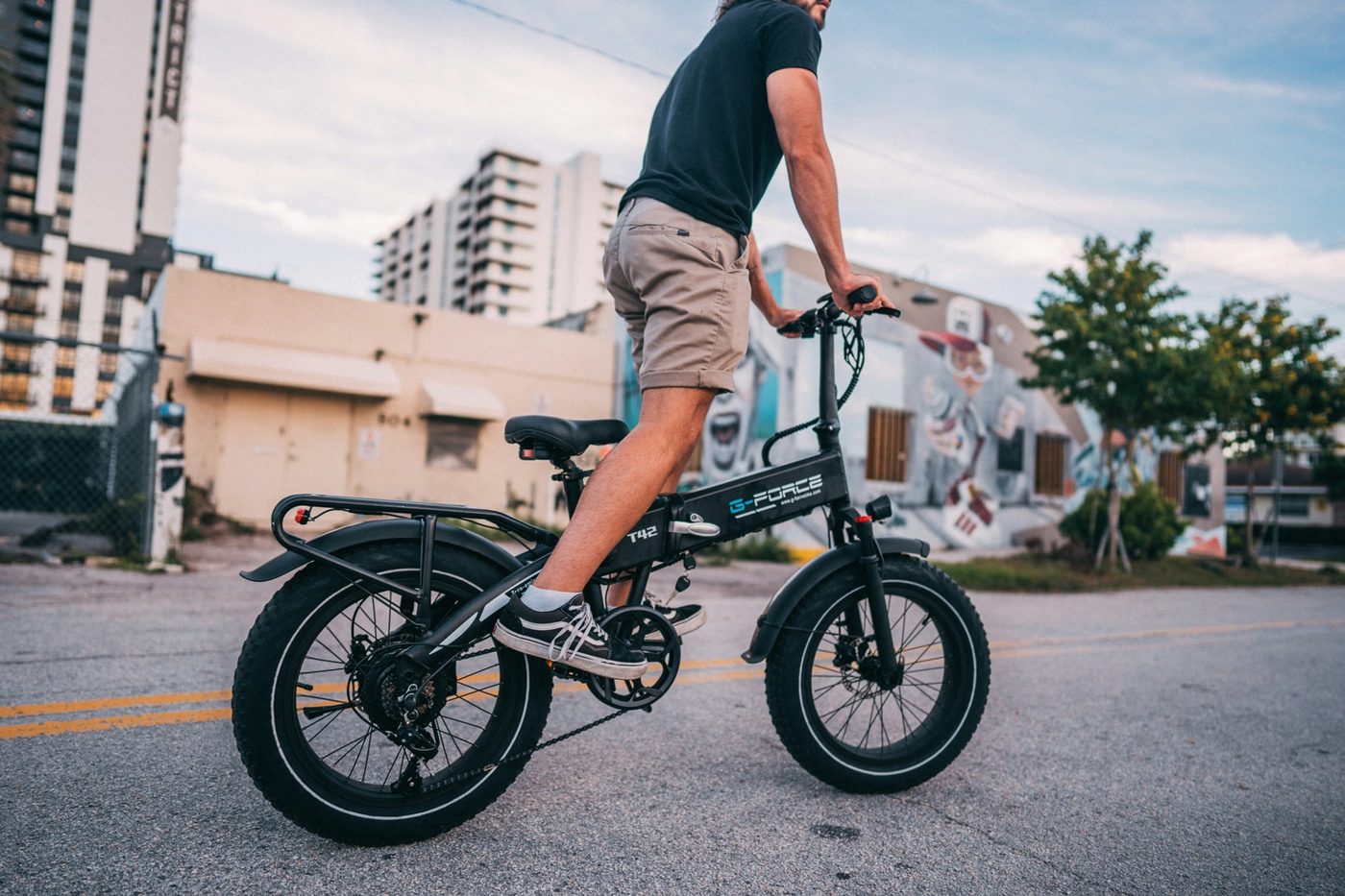
Folding usually wins when…
- storage is the real problem
- mixed transit or trunk use matters
- you need a smaller indoor footprint
Standard commuter usually wins when…
- daily ride comfort matters most
- you want fewer ride compromises
- the bike mainly lives in easier storage
Best quick rule
- Pick folding to solve storage first.
- Pick standard commuter to solve riding first.
| Decision factor | Usually better pick | Usually weaker side |
|---|---|---|
| Apartment storage and compactness | Folding | Standard commuter |
| Ride comfort and stability | Standard commuter | Folding |
| Trunk or train flexibility | Folding | Standard commuter |
| Weekday transportation feel | Standard commuter | Folding |
| Less compromise if storage is easy | Standard commuter | Folding |
Folding usually wins on…
- storage footprint
- mixed transit or trunk use
- buyers whose home setup shapes the purchase
Standard commuter usually wins on…
- ride comfort and stability
- everyday commuting polish
- less compromise once you are actually riding
The real deciding question
- Is your bigger problem riding the bike?
- Or living with the bike in a building, hallway, train, or car trunk?
Quick verdict
Buy folding when your storage problem is real enough that it should influence the whole purchase. Buy standard commuter when you have a reasonable place to keep the bike and you want the calmer, better everyday ride.
Choose a folding e-bike if your biggest problem is where the bike goes when you are not riding it. Choose a standard commuter if your biggest problem is getting calm, stable, low-drama daily miles without feeling like you bought portability at the expense of every ride.
Neither is automatically “better.” This is mostly a question of what kind of compromise fits your life better.
Choose folding if…
- storage is tight
- you use transit or a car trunk
- apartment footprint matters a lot
- some ride compromise is acceptable
Choose standard commuter if…
- ride comfort matters most
- you want less compromise overall
- you ride longer or more often
- storage is manageable already
What folding does better
- smaller storage footprint
- easier indoor parking in tighter spaces
- mixed transit or trunk-friendly use
- better fit for buyers whose main problem is housing the bike
What standard commuter does better
- ride comfort and stability
- daily distance comfort
- all-around usefulness with racks, fenders, and accessories
- less sense of compromise once you are actually riding
Compare by real-life factors
Storage
Folding usually wins when space is the real bottleneck.
Weight and carrying
Folding does not automatically mean easy to carry. Some folding bikes are still heavy enough to be annoying on stairs.
Ride quality
Standard commuters usually feel calmer, smoother, and less compromised.
Apartment life
Folding often helps more here, but only if the actual folded size and routine meaningfully reduce hassle.
Utility and accessories
Standard commuters often integrate utility gear more naturally.
Which rider should choose which?
An apartment commuter or train-plus-bike rider may get real value from folding. A comfort-first rider, suburban commuter, or someone doing longer daily distances often ends up happier on a standard commuter bike.
Where this decision usually gets clearer
As soon as you picture the bike in your hallway, on your stairs, in your elevator, or locked outside in bad weather, the right answer often becomes less theoretical. The biggest mistake is pretending your building setup does not count as part of the bike choice.
Common mistakes
- assuming folding means easy to carry
- choosing standard when storage is the real problem
- overvaluing compactness when daily ride comfort matters more
FAQ
Is a folding e-bike good enough for daily commuting?
Sometimes, especially when storage or mixed transit use is central to the commute.
Are standard commuter e-bikes too big for apartments?
Not always, but they ask more of your layout and storage situation.
Which one is better for hills?
That depends on the specific bike, but standard commuters often feel less compromised overall.
Which one is easier to live with?
That depends on whether your bigger problem is riding the bike or housing the bike.
Where the folding-bike advantage is real
Folding bikes earn their keep when the storage problem is harder than the riding problem. Small apartments, elevators, mixed transit, office storage, and shared living spaces can make a folding bike dramatically easier to own. Standard commuters usually ride better and carry cargo more naturally, but they lose fast if the bike becomes a hallway obstacle or a constant argument with your storage space.
Choose the standard commuter when ride feel and route capability matter most. Choose the folder when access and storage are the reason you might otherwise stop using the bike.
Need the broader category pages behind this comparison?
Step back one level before you commit. That is usually where the better answer becomes obvious.
How to use this page
This page is reviewed under ElectricBikeCompare editorial standards and published by Nofo Times LLC. The goal is to help you choose around fit, storage, charging, support, safety, and day-to-day ownership, not just the best-looking spec sheet. Where a page leans on manufacturer claims, we cross-check them against the practical tradeoffs buyers usually run into after purchase.
For the full site method, read How We Evaluate E-Bikes or contact info@electricbikecompare.com.