
How to Carry an E-Bike Up Stairs
What to think about before buying an e-bike that has to deal with stairs, stoops, hallways, and apartment storage.
The best way to carry an e-bike up stairs is usually to avoid needing to carry it in the first place. That sounds unhelpful, but it is the right buying logic. E-bikes are heavy, awkward, and often badly shaped for stair carrying. If stairs are part of your daily life, treat that like a core buying requirement, not a minor inconvenience you will somehow adapt to later.
First, decide whether the bike is realistically stair-compatible
- Under about 45 to 50 pounds: still not fun, but some riders can manage it daily if the bike is well balanced.
- 50 to 65 pounds: possible for some people, but usually annoying and not something most adults will want to do every day.
- Above that: this is where “I can do it once” and “I want to do it twice a day forever” become very different things.
Also pay attention to shape, not just weight. Step-through frames, batteries mounted high, wide bars, front racks, and cargo accessories can make a bike feel much worse on stairs than the scale suggests.
What walk assist does and does not solve
Walk assist can help when you are pushing an e-bike up a ramp or helping it over a short incline, but it does not magically turn a heavy bike into something pleasant to carry on stairs. Bosch's current walk-assist guidance is essentially about controlled pushing while moving beside the bike, not hauling it on your shoulder like a normal lightweight bicycle.
If you do have to carry it, do this instead of improvising
- remove the battery first if it is removable
- take anything loose off the bike, especially bags, child seats, or cargo
- turn the bars only as much as needed to fit the staircase cleanly
- keep the bike close to your body rather than reaching out with it
- take breaks before your grip gets sloppy
For many riders, the safer move is not fully carrying the bike at all. It is partial lifting: lifting the front end over each step or using two-person help when the route is awkward.
When stairs mean you bought the wrong category of bike
If the bike is a heavy fat-tire model, cargo bike, or bulky value commuter with a giant frame and battery, daily stair carrying is usually a category mistake. That does not mean the bike is bad. It means it does not fit the building. Apartment riders should be ruthless about this before buying.
Better solutions than brute force
- choose a lighter commuter or folding e-bike
- prioritize removable battery designs so the carried weight drops immediately
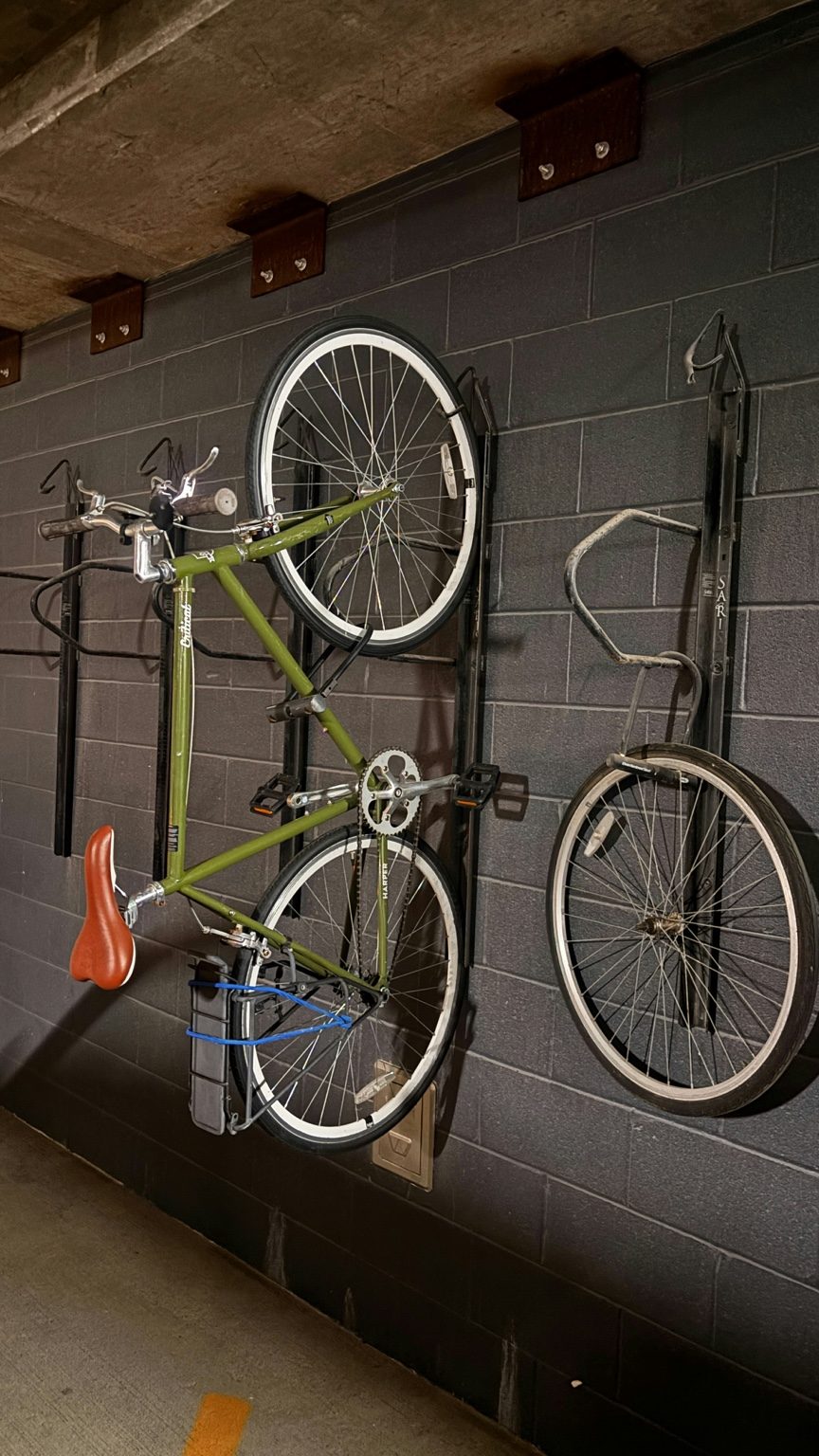
- park the bike in a basement, garage, or shared storage area if the building setup allows it
- use a ground-floor locking strategy with battery removal if the building permits secure storage
Do a honesty check before you commit to this routine
If you need to carry the bike every day, ask whether the total routine is still realistic after a long ride, a grocery stop, or a bad-weather commute. Buyers often imagine a clean one-flight lift and end up with multiple doors, a landing turn, and a bike that feels much heavier when awkward than it does on paper.
What helps more than pure strength
- remove the battery first if possible
- take bags, locks, and loose cargo off the bike
- plan where you will stop or reset on a landing
- keep the front wheel from swinging with your forearm or a calm hand on the bar
Best bike traits if stairs are real life
Lighter weight matters, but shape matters too. Compact full-size commuters, folding bikes, and bikes with removable batteries are usually easier to live with than heavy fat-tire bikes or bulky cargo-oriented frames. If the bike feels like furniture when the battery is out, that is usually a good sign for stair buildings.
When to walk away from the idea
If the route includes narrow turns, more than one long flight, or you already know you hate carrying heavy objects, do not convince yourself discipline will solve it. A bike that creates daily dread is the wrong bike even if the ride itself is good.
Bottom line
You carry an e-bike up stairs by reducing the load, controlling the shape, and being honest about whether the bike belongs in a stair building at all. If stairs are daily life, choose for that problem first. The wrong 70-pound bike does not become right because you are determined.