
How to Clean an E-Bike Safely
Clean it like a bike with expensive electronics attached, not like a muddy patio. Gentle washing, smart drying, and a quick post-clean check matter more than aggressive spray power.
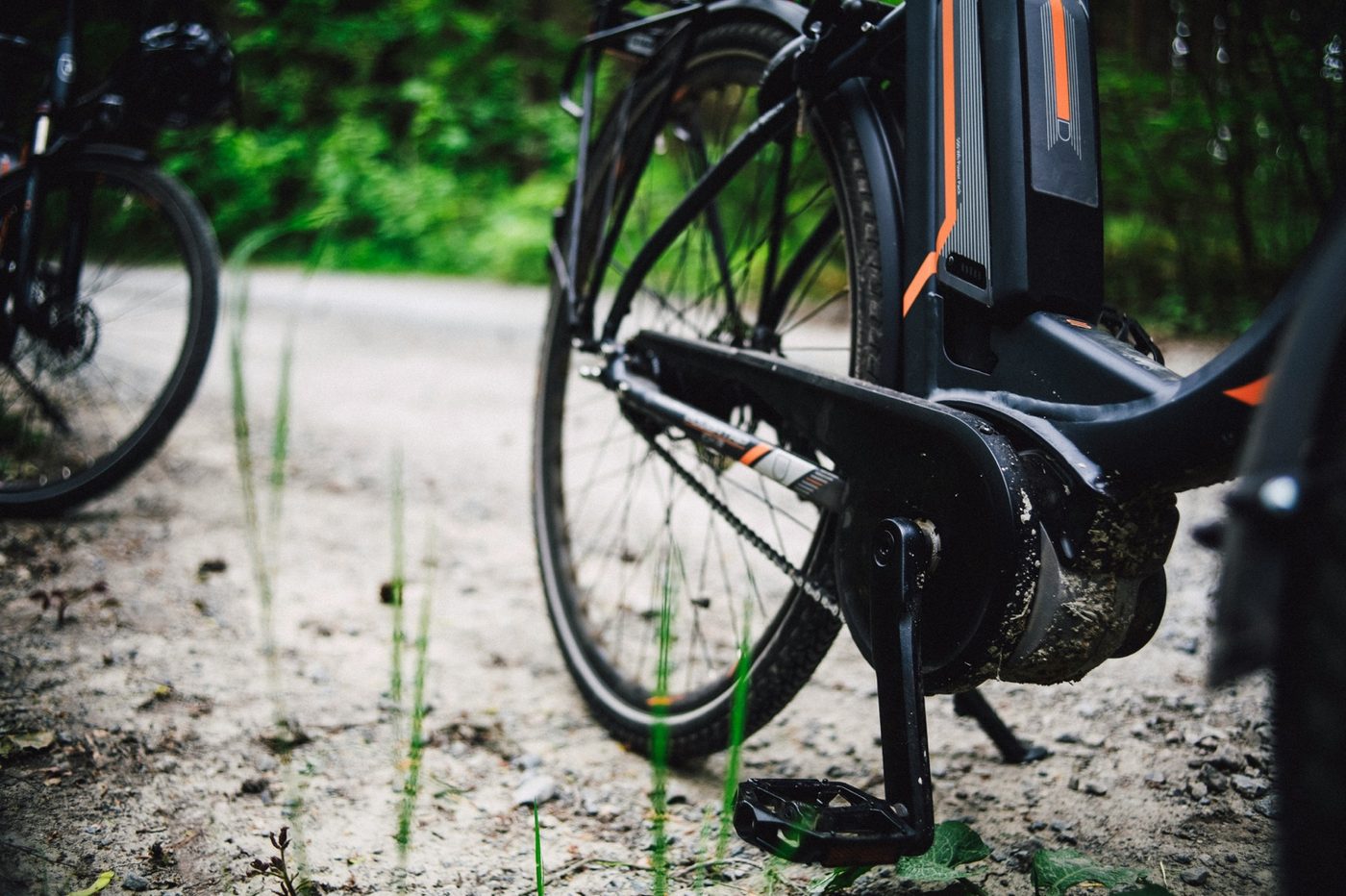
Quick take
- Use a bucket, soft brush, sponge, and low-pressure water — never a pressure washer aimed at the bike.
- Remove the battery and display if your system allows it, or at least protect the key electrical areas from direct spray.
- After cleaning, dry the bike, relube the chain if needed, and do a quick brake, light, and battery-seat check before the next ride.
Frequent light cleanups keep grime, road salt, and brake dust from building into a bigger problem.
Blasting dirt off with a high-pressure washer and forcing water toward bearings, connectors, and the motor area.
Protect the expensive system while keeping the bike nice enough that maintenance problems stay visible.
What you actually need
- a bucket of water and bike-safe cleaner or mild soap
- a soft sponge or cloth
- a soft brush for drivetrain and tire grime
- a dry towel or microfiber cloth
- chain lube for after the bike is dry
You do not need a pressure washer, harsh degreaser everywhere, or a deep-detailing ritual after every ride.
The safe cleaning routine
- Power the bike off. Remove the battery and display if your system is designed for that. If not, avoid direct spray at those areas.
- Brush off loose grit first. This keeps you from rubbing mud into paint, seals, or moving parts.
- Wash gently. Use a sponge or brush with light water and cleaner. Focus on frame, fork, wheels, fenders, rack, and contact points.
- Be careful around the drivetrain. Clean chain, cassette, and chainring with a brush rather than flooding everything with degreaser.
- Rinse lightly. A gentle hose or poured water is enough. Do not force water into motor, bottom bracket, headset, hub, or battery contacts.
- Dry the bike. Wipe it down, especially around battery mount, charging port cover, display area, and brake rotors.
- Finish with a function check. Reinstall the battery, confirm the latch is fully engaged, test lights, test brakes, and make sure no warning message appears.
What not to do
- Do not use a high-pressure cleaner or steam cleaner.
- Do not spray straight at the motor, battery mount, charging port, headset, hubs, or suspension seals.
- Do not get chain lube or polish on brake rotors or pads.
- Do not put the bike away wet after a salty winter ride.
Why winter and rain riders should care more
Road salt and grit are usually a bigger long-term problem than plain mud. If you ride in winter or wet conditions, quick rinses and wipe-downs matter because they protect bolts, drivetrain parts, and contact areas from corrosion. The goal is not showroom sparkle. It is preventing expensive wear.
When cleaning turns into a service issue
If you notice torn cable boots, damaged charging-port covers, persistent grime around a leaking seal, brake rub that will not disappear, or electrical warnings after cleaning, stop treating it like a wash problem and treat it like a service problem. Cleaning is also the best time to catch worn tires, loose fenders, cracked lights, or damaged brake hoses before they turn into a ride interruption.
Bottom line
The safe way to clean an e-bike is boring on purpose: soft tools, low pressure, careful drying, and a quick systems check. That routine protects the expensive bits and makes the bike easier to inspect, which is what adult ownership is really about.
Cleaning is also an inspection routine
A careful wash is one of the easiest ways to catch problems before they turn into ride-ending issues. Bosch’s current cleaning guidance still leans toward a sponge or soft brush, lower-pressure water, and avoiding direct blasts at bearings, seals, and electrical areas. That is not just about protecting parts. It also gives you a slow moment to notice loose hardware, sidewall cuts, bent rotors, cable rub, or unusual wear around the battery mount and charging port.
If you ride through winter salt, trail dust, or lots of rain, the biggest win is consistency, not perfection. A quick rinse-and-wipe before grime bakes on is better than waiting until the bike looks terrible and then attacking it aggressively. Gentle, repeatable cleaning is safer for the bike and better for spotting issues early.
Need the battery and charging side of the routine too?
These pages help if the bigger concern is charger habits, indoor storage, or keeping the battery healthy between rides.