
School-Run E-Bike vs One-Bike-Household E-Bike
These sound similar, but they are not the same job. A school-run bike can be narrowly excellent for kid duty. A one-bike-household bike has to survive kid duty, errands, commuting, parking, storage, and solo riding without becoming the wrong compromise.
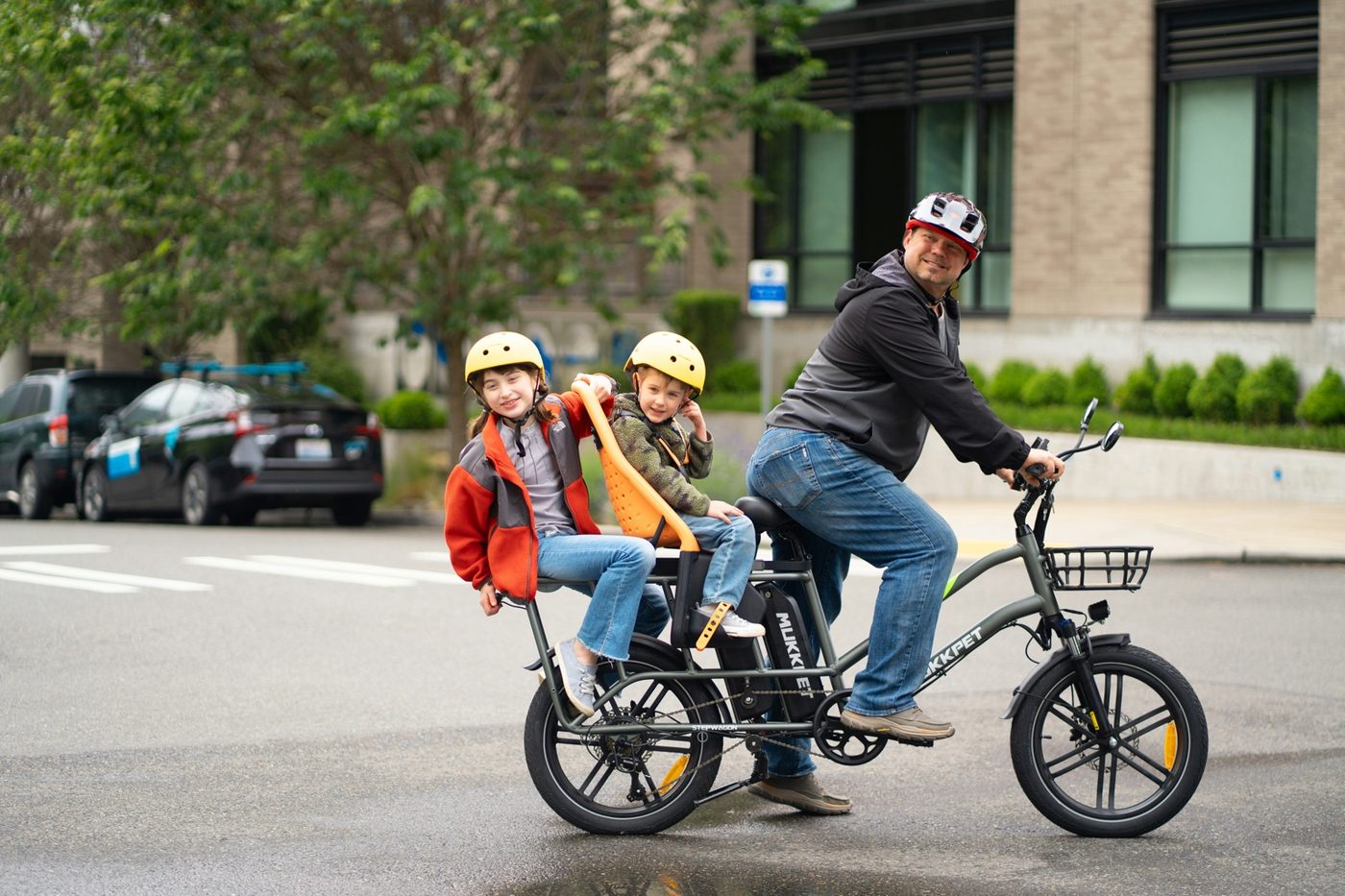
Quick take
Pick a school-run bike when child hauling is the main mission and the route is short, predictable, and repeated. Pick a one-bike-household bike when the bike also needs to work for groceries, solo errands, commuting, and normal life after drop-off.
What to compare before choosing
Use this table as the practical checklist before treating School-Run E-Bike vs One-Bike-Household E-Bike as a pure spec-sheet contest.
| Question | Why it matters |
|---|---|
| Which bike fits the daily job better? | Commuting, apartment storage, family errands, hills, and weekend riding reward different tradeoffs. |
| Which one is easier to own? | Weight, battery removal, charging location, service access, and accessories affect the bike after delivery. |
| Which support options feels safer? | Warranty terms, replacement batteries, brake/tire parts, and local shop willingness can matter more than a small spec advantage. |
| Which one would you still choose after adding accessories? | Locks, racks, bags, fenders, passenger kits, and chargers can change the real price and usability. |
What this comparison is really about
A dedicated school-run setup is allowed to be narrow. It can prioritize easy kid loading, low-speed calmness, and short-route confidence, even if it is less exciting for longer solo rides. A one-bike-household bike has to be broader. It needs enough utility for family duty without feeling clumsy when ridden alone, parked at work, or stored at home.
School-run bike usually wins when…
- your daily route is short, repeatable, and centered around kid carrying
- you care most about easy starts, stops, passenger setup, and school parking
- the bike can be purpose-focused on child duty
One-bike-household bike usually wins when…
- the bike needs to work with and without kids several days a week
- you want better solo usefulness for errands, commuting, and city riding
- storage, versatility, and ownership simplicity matter as much as family duty
Best quick rule
- Choose school-run first when passenger use dominates the week.
- Choose one-bike-household first when the bike is replacing more than one category of trips.
Where the school-run bike wins
- Kid-loading ease: lower steps, calmer handling, and purpose-built rear passenger setups matter.
- Short-route efficiency: if the ride is mostly home to school to groceries and back, specialization pays off.
- Passenger confidence: you feel the benefit every time you start from a curb with a child on the back.
- Routine simplicity: once bags, pegs, bars, or child seats are dialed in, the bike becomes a daily appliance.
Where the one-bike-household bike wins
- Solo riding quality: it still feels good when the kids are not on board.
- Storage and parking: a slightly smaller or less cargo-specific bike is often easier to live with.
- Broader trip coverage: work rides, errands, coffee runs, and family duty can happen on the same platform.
- Less dead weight: you are not always pedaling a full family rig when you only need a normal city bike.
The honest questions that decide this fastest
- How many rides per week actually involve a child?
- Will the bike replace some car trips, or mostly just the school run?
- Where will the bike live when you get home?
- Will another adult want to ride it solo?
- Are you okay owning a bike that is excellent for one job but mediocre for the rest?
Typical outcomes
Dedicated school-run setup: usually best for households that already have another commuter or regular bike and want the easiest possible family routine.
One-bike-household setup: usually best for buyers who want one expensive bike to cover many categories of weekly life and stay useful after the kids age out of some of the routine.
What changes after the first month
The hidden difference is not motor power. It is whether the bike still feels usable when the week gets messy. A school-run-first bike can feel excellent when it leaves the house with kids and comes home the same way. It starts to feel narrow when one parent wants to ride it solo, park it somewhere tighter, or use it for errands that have nothing to do with school. A true one-bike-household bike gives up a little passenger-first specialization in exchange for broader usefulness, which matters once the bike is doing grocery runs, coffee stops, work rides, and bad-weather pickup duty on top of family trips.
- School-run bias: easier child routine, but often more bulk and less solo charm.
- One-bike-household bias: less specialized, but better at absorbing random weekday life.
- Best tiebreaker: ask whether the bike will still earn its keep on the two or three days each week when no child is on board.
Bottom line
Buy a school-run bike when the child-carrying route is the mission. Buy a one-bike-household bike when the bike has to be a family tool and a normal city bike at the same time. The wrong choice is usually buying a very specialized school bike and then expecting it to feel great for everything else.
Read these next before you commit
These are not the same job
School drop-off bikes and one-bike-household bikes overlap, but they are not the same mission. A school-run bike can be narrower: stable kid carrying, easy loading, predictable parking, and enough range for short recurring trips. A one-bike-household bike has to stay useful after the drop-off is done. It may need to handle commuting, errands, solo rides, bad weather, grocery runs, and tight storage with fewer compromises.
That is why some compact cargo bikes are excellent school tools but less convincing as the only bike in the house, while some premium compact-utility bikes age better across many riding needs. The broader your ownership plan, the more you should care about support ecosystem, carry limits, parking reality, and solo-ride feel once the bike is not in family-haul mode.
The winning bike is the one that still feels right on Tuesday afternoon, not just at 8:05 a.m.
How to use this page
This page is reviewed under ElectricBikeCompare editorial standards and published by Nofo Times LLC. The goal is to help you choose around fit, storage, charging, support, safety, and day-to-day ownership, not just the best-looking spec sheet. Where a page leans on manufacturer claims, we cross-check them against the practical tradeoffs buyers usually run into after purchase.
For the full site method, read How We Evaluate E-Bikes or contact info@electricbikecompare.com.