
Cargo E-Bike vs Kid Trailer
Both can move kids and gear, but they solve different problems. A trailer is often the cheaper, simpler add-on. A cargo e-bike is the better all-in family transport tool when this becomes a real weekly routine.
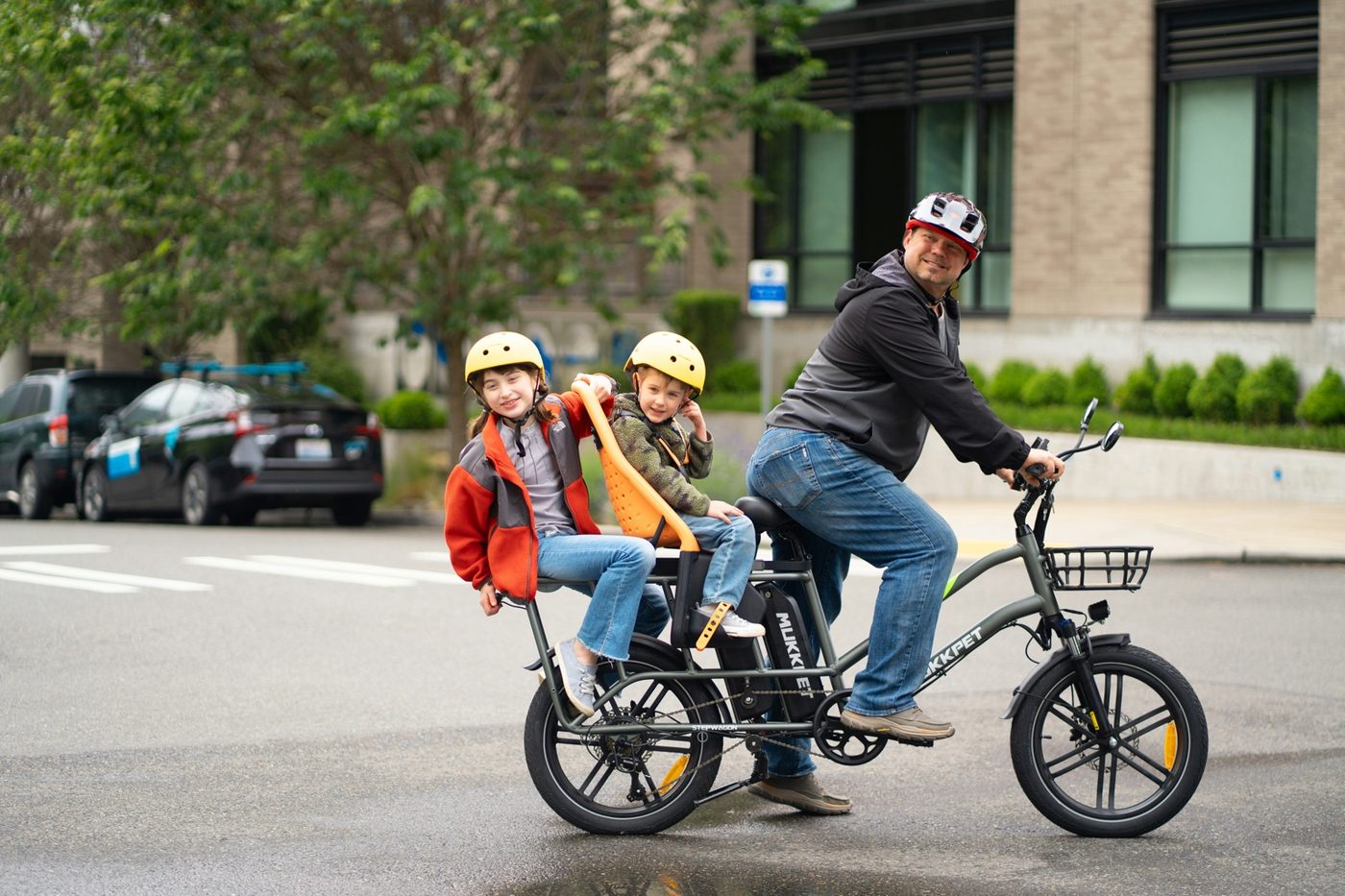
Quick take
- A kid trailer is usually better when you already own a bike and only need occasional family carrying.
- A cargo e-bike is better when kid carrying is part of your routine, not an occasional weekend add-on.
- The real tradeoff is lower cost and flexibility versus a cleaner, calmer everyday family transport setup.
What to compare before choosing
Use this table as the practical checklist before treating Cargo E-Bike vs Kid Trailer as a pure spec-sheet contest.
| Question | Why it matters |
|---|---|
| Which bike fits the daily job better? | Commuting, apartment storage, family errands, hills, and weekend riding reward different tradeoffs. |
| Which one is easier to own? | Weight, battery removal, charging location, service access, and accessories affect the bike after delivery. |
| Which support options feels safer? | Warranty terms, replacement batteries, brake/tire parts, and local shop willingness can matter more than a small spec advantage. |
| Which one would you still choose after adding accessories? | Locks, racks, bags, fenders, passenger kits, and chargers can change the real price and usability. |
Trailer usually wins if…
- you want the lower-cost answer
- kid duty is occasional
- you do not want a full-size cargo bike taking over your storage space
Cargo e-bike usually wins if…
- school runs or regular family errands are the whole point
- you want one integrated setup instead of towing something extra
- loading stability and everyday convenience matter more than initial price
The short answer
Choose a trailer when you want a cheaper, more occasional family option. Choose a cargo e-bike when this is becoming transportation, not a side mission. The more often you do it, the more the cargo-bike advantage shows up.
Why trailers still make sense
Trailers are often a smart answer when you already own a decent bike, mostly ride on calmer routes, and only need to carry kids sometimes. They avoid the cost and storage commitment of a cargo bike, and they can be a very reasonable way to test whether family biking even fits your life.
Why cargo bikes feel better in routine use
A true cargo e-bike usually loads more cleanly, starts more predictably, and integrates bags, passengers, and errands better. Family cargo platforms also tend to have the accessory ecosystems that make daily life easier: rails, foot support, weather options, better kickstands, and layouts designed around repeated kid duty.
Where trailers get annoying
- storage still matters, just in a different way
- towing changes handling and tight-turn behavior
- detaching and reattaching becomes a chore if you do it constantly
- errand overlap is clumsier than on a purpose-built cargo bike
Where cargo bikes get annoying
- they cost much more
- they can dominate apartment or garage space
- they may be overkill if kid duty is only occasional
How to choose honestly
Pick a trailer if you are solving an occasional family need and want the lower-risk starting point. Pick a cargo e-bike if you want a bike-centered family routine with fewer compromises. The worst middle ground is often trying to force a standard commuter to do both jobs badly.
What changes once the novelty wears off
Trailers often feel like the budget-smart answer at first because they let you keep a normal bike and add kid-carrying only when needed. Cargo bikes feel better once the routine becomes constant. If drop-offs, pickups, grocery stops, and family rides happen several times a week, the integrated nature of a cargo bike starts to matter a lot. Loading is faster, balance is more predictable, and you are less likely to avoid the trip because setup feels annoying.
Where trailers still win
Trailers are stronger when the family-duty role is occasional, storage is tight, and you still want the bike to be mostly a normal solo bike. They are also easier to justify when the child-carrying phase is temporary and you do not want to commit to a dedicated cargo-bike shape that may feel oversized later.
Where cargo bikes pull ahead
Cargo bikes win when kid carrying is part of normal life rather than a special-riding need. They also make more sense when you need bags, groceries, or school gear on the same trip. Once the trailer starts coming on and off all the time, the “cheaper” option can become the more frustrating one.
Bottom line
A trailer is the economical add-on answer. A cargo e-bike is the integrated transportation answer. Buy for the frequency of the job, not just the cutest version of the job in your head.
Which one stays easier once the novelty wears off
Cargo bikes and kid trailers can both move children well, but they create very different ownership patterns. A cargo bike is usually easier to use when the bike itself becomes daily transportation. A trailer is often easier to justify when you are still mostly a regular-bike household and only need kid-hauling on selected trips.
- Cargo bike: more integrated, faster to deploy, and easier for frequent school-run or errand use.
- Trailer: easier if you want to keep your normal bike life and add child-carrying only when needed.
Think about storage and loading stress
Some households choose the trailer because it looks cheaper, then hate storing, attaching, and maneuvering it. Others buy the cargo bike and later realize they did not want a larger bike every time they rode alone. The right choice is usually the one that creates less hassle before and after the ride, not the one that only seems best while moving.
Still narrowing the family-transport setup?
How to use this page
This page is reviewed under ElectricBikeCompare editorial standards and published by Nofo Times LLC. The goal is to help you choose around fit, storage, charging, support, safety, and day-to-day ownership, not just the best-looking spec sheet. Where a page leans on manufacturer claims, we cross-check them against the practical tradeoffs buyers usually run into after purchase.
For the full site method, read How We Evaluate E-Bikes or contact info@electricbikecompare.com.