
Do You Need a Second E-Bike Charger?
Sometimes yes, especially when charging hassle is already shaping your routine. A second charger is usually a convenience purchase, but for some riders it becomes a genuine quality-of-life upgrade.
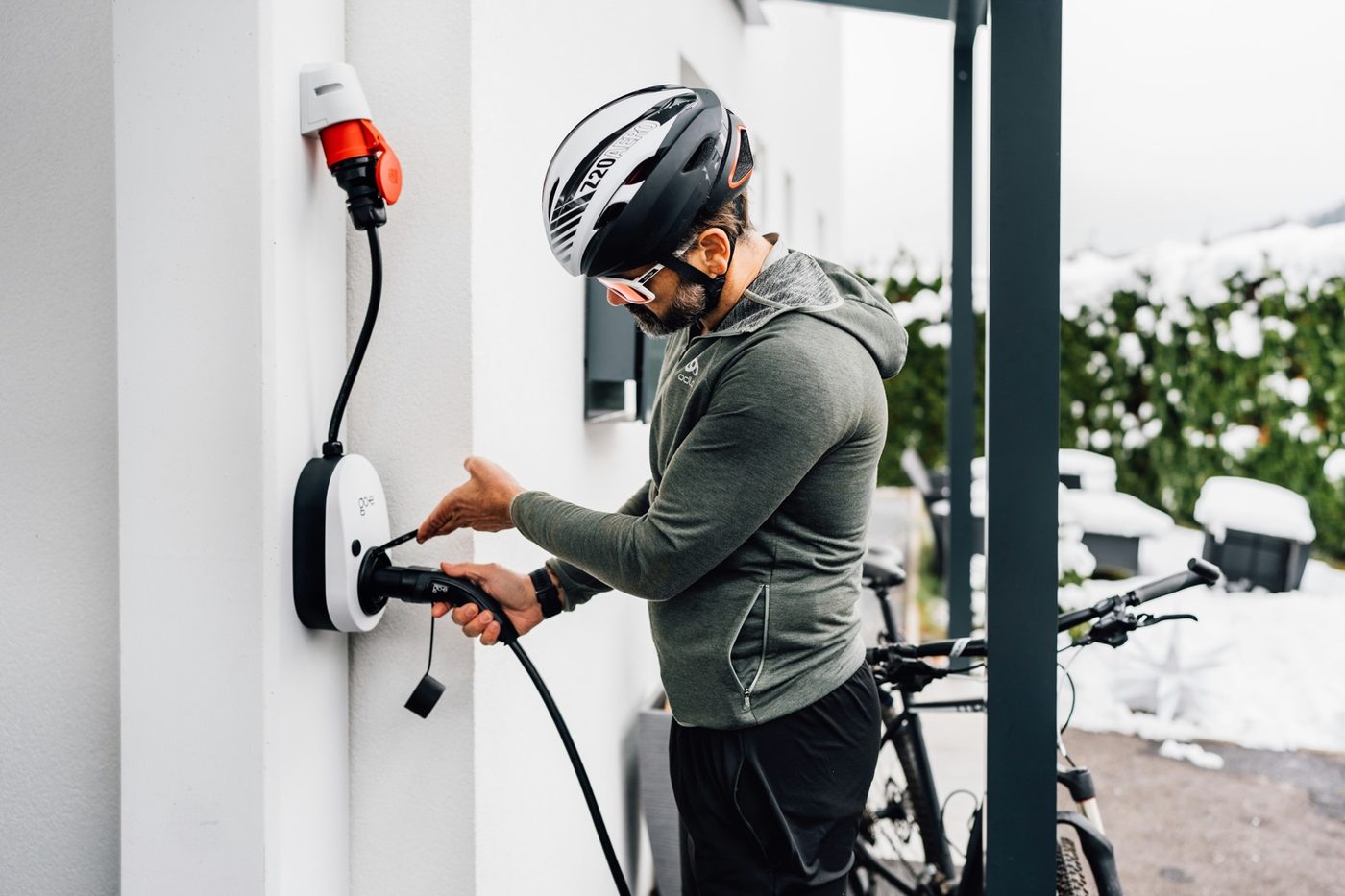
Quick take
- Buy a second charger when it solves a real routine problem, not because it feels like the “responsible” accessory.
- It makes the most sense for commuters, split home setups, and riders who charge away from home often.
- Only buy the exact charger approved for your battery system.
Who should say yes quickly
- you charge at work several days a week
- your battery comes upstairs but the bike stays in a garage or shed
- two riders share the same system and one charger is constantly moving around
- you are already forgetting your charger or dragging it around in a bag
In those cases, the second charger is not really a luxury. It is part of the infrastructure that keeps the bike easy to live with.
Who should usually skip it
If you charge overnight in one place, rarely push range, and do not need to top up during the day, a second charger usually becomes clutter. It sits in a drawer, takes up outlet space, and does not solve an actual problem.
A good rule is simple: if you have not felt regular charger hassle yet, do not pre-buy your way into a solution.
Second charger vs second battery
These solve very different problems. A second charger makes the routine easier. A second battery changes how much riding you can do before recharging. A lot of buyers mix those up.
If convenience is the problem, a second charger can help. If you keep running short on long rides or heavy cargo days, a second charger will not fix that.
What can go wrong
- buying the wrong charger for the system or battery generation
- leaving a charger permanently in a messy or shared spot where it gets damaged
- buying a second charger before you have a stable charging routine
- treating a work charger like public property and creating office hassle
Best riding needs
The cleanest setups are usually one of these:
- home + work: one charger stays at home, one stays at the desk or in a locker
- bike downstairs, battery upstairs: one charger stays near the battery’s normal indoor resting place
- two regular charging spots: for example partner’s place and home, or weekday apartment and weekend house
What you want to avoid is a setup where the charger is constantly “traveling.” That usually means the routine is still annoying.
Think in terms of hassle removed per week
A second charger is rarely about necessity in the strict sense. It is about how many weekly annoyances it removes. If it saves you repeated trips downstairs, keeps you from forgetting the charger at work, or stops a shared-bike household from constantly moving one charger around, it can earn its keep surprisingly fast.
When a second charger is better than a more complicated routine
Some riders try to solve charger hassle with awkward habits: stuffing the charger into a pannier, swapping outlets in a common hallway, or leaving the charger permanently in a bad location. If the cleaner answer is simply one approved charger in each real charging location, that is usually the better ownership move.
What to check before buying one
- confirm exact system compatibility, not just brand name similarity
- decide where it will permanently live before ordering it
- make sure the second location is actually a place you are comfortable charging
- do not confuse “nice to have” with “this fixes a repeated weekly annoyance”
When the second charger actually earns its keep
A second charger makes the most sense when it removes routine hassle, not when it simply sounds convenient. If one charger lives by the door and the other lives at work, or one stays in a travel bag while the other stays at home, the extra cost can be justified because it prevents forgotten chargers and pointless battery anxiety. It is much harder to justify if you mainly want a backup for peace of mind but rarely ride enough to need midweek top-ups. In that case, a second charger often becomes drawer clutter. The purchase only makes sense when it simplifies a repeated habit.
- Worth it: split home/work charging, shared-bike households, or travel-heavy routines.
- Usually not worth it: short-range riding with easy overnight charging at home.
- Best tiebreaker: if forgetting the charger would regularly ruin a ride plan, the second one is probably justified.
Bottom line
You do not need a second charger by default. You need one when the lack of it is already making the bike less convenient than it should be. If it removes a real weekly hassle, buy it. If it just sounds tidy in theory, skip it.