
Can You Charge an E-Bike Battery at Work?
Usually yes — if the workplace allows it, the charger is the correct one for your system, and the setup is tidy enough that you are not turning a shared office into your personal battery lab.
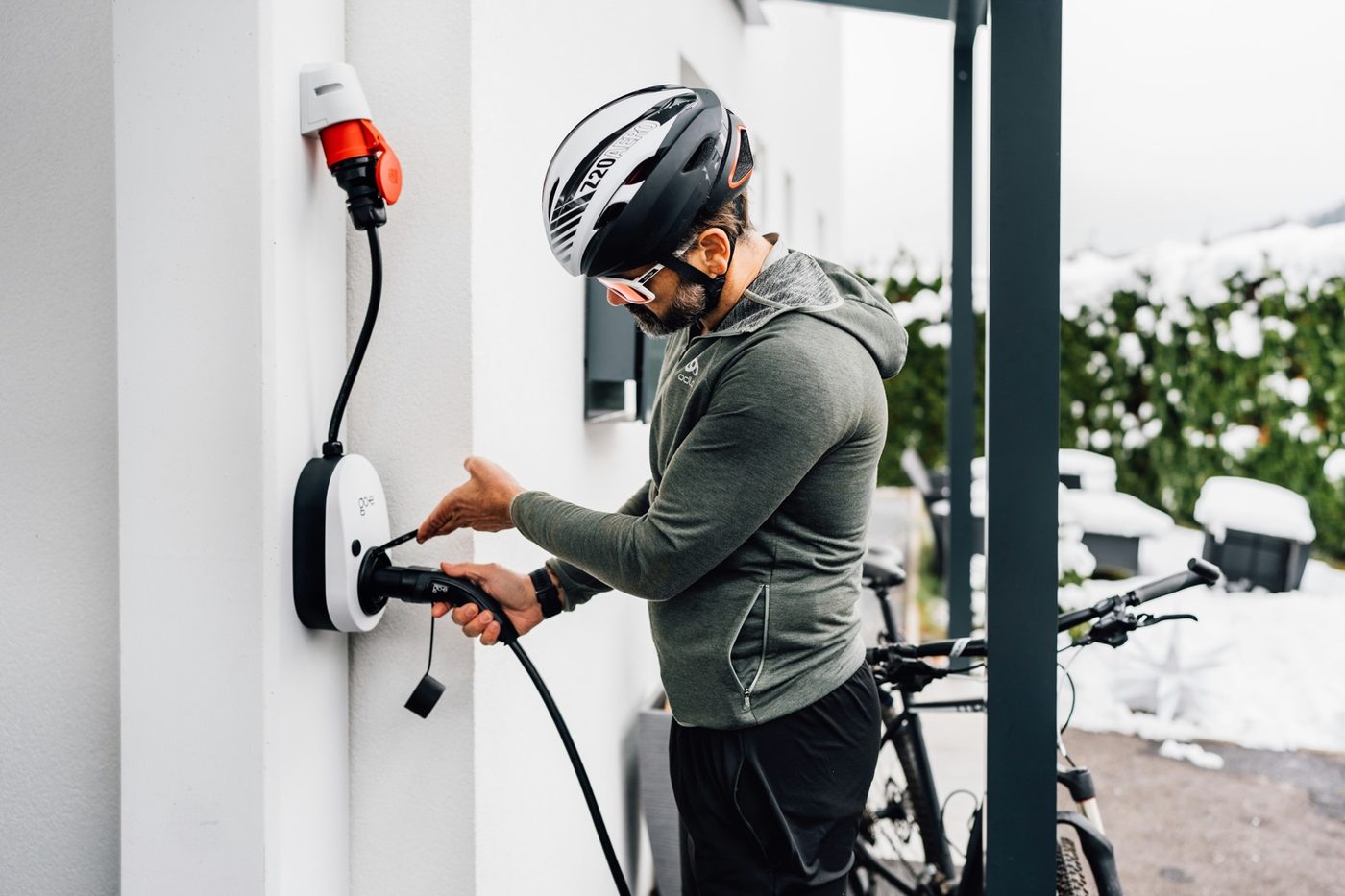
Quick take
- Work charging is usually a policy and setup question, not a technical mystery.
- The cleaner and more discreet the setup, the easier it is to keep doing.
- If you rely on work charging, a dedicated work charger usually makes more sense than carrying one back and forth.
Start with permission and practicality
Most of the hassle around workplace charging has nothing to do with the battery itself. It comes from shared space. If the charger blocks a walkway, takes over a common outlet, or looks improvised, people will dislike it even if it is technically fine.
The easiest office setups are the ones that fit naturally into the workplace: a charger kept in a drawer or locker, a battery charging near your desk, and no loose cords sprawled into shared space.
What makes workplace charging easy
- a removable battery, if the bike parks outside or in a garage
- a dedicated charger that stays at work
- a stable indoor spot that is dry and out of the way
- a commute that truly benefits from mid-day charging
What makes it annoying
- carrying the same charger back and forth every day
- charging in a hallway, break room, or other semi-public area
- depending on a random outlet you do not really control
- using work charging as a rescue plan for a bike that never had enough range for your commute in the first place
Work charging vs buying a different bike
If you only need a top-up occasionally, work charging can be a great convenience. If you need it every single day just to get home comfortably, that usually means range, charger access, or bike choice should have been solved earlier. Daily dependence on office charging can work, but it is not always the cleanest ownership setup.
What makes work charging easy vs awkward
The technical answer is often yes. The practical answer depends on whether your workplace has a clean, tolerated routine for it. Good work charging usually looks boring: a known outlet, a stable place for the battery or bike, and no one worrying that the setup is blocking walkways or creating office drama.
- Easy setup: private office, bike room, locker area, or a desk where the charger can stay out of the way.
- Awkward setup: shared floor outlet, charger snaking across a hallway, battery sitting in a busy common area, or a setup that requires asking for a favor every single time.
What to check before making it part of your routine
- is there a consistent outlet you are actually allowed to use?
- can the battery stay somewhere dry, stable, and not in everyone else's way?
- are you carrying just the battery inside, or hauling the whole bike into a space that does not want it?
- will the routine still work on busy days, bad weather days, and late departures?
When work charging is a sign you bought too little bike
If you need workplace charging every day just to complete a normal round trip, your bike may be too close to the edge for your real use. A little midday top-up is one thing. A bike that feels fragile without it is another. In that case, more battery capacity, a different route plan, or a bike with a stronger range cushion may be the smarter fix.
Bottom line
Yes, you can often charge an e-bike battery at work. The best version of that setup is quiet, tidy, and expected. If the routine feels awkward, public, or fragile, fix the setup before it becomes the reason you stop using the bike for commuting.
Ask about the charging setup, not just the permission
Many workplaces are fine with charging in theory and awkward in practice. What matters is whether you have a dry, supervised, low-clutter place to charge with the correct charger, or whether you are improvising in a hallway, under a desk, or near a busy shared outlet. Bosch’s current guidance still points toward room-temperature charging, dry indoor spaces, and a working smoke detector nearby. That means “sure, plug it in somewhere” is not really a good enough policy if the only available spot is chaotic.
Work charging makes the most sense when it lets you buy a lighter battery, a smaller bike, or a more efficient commuter without range anxiety. It makes less sense when it forces you to carry a second charger everywhere, negotiate awkward outlet use, or leave a battery in a place you do not fully trust. Good work charging should feel routine and boring, not improvised.