
How to Lock an E-Bike
The right locking routine is less about theatrics and more about making your bike a worse target than the one next to it. High-value e-bikes deserve a more serious routine than a cheap cable and wishful thinking.
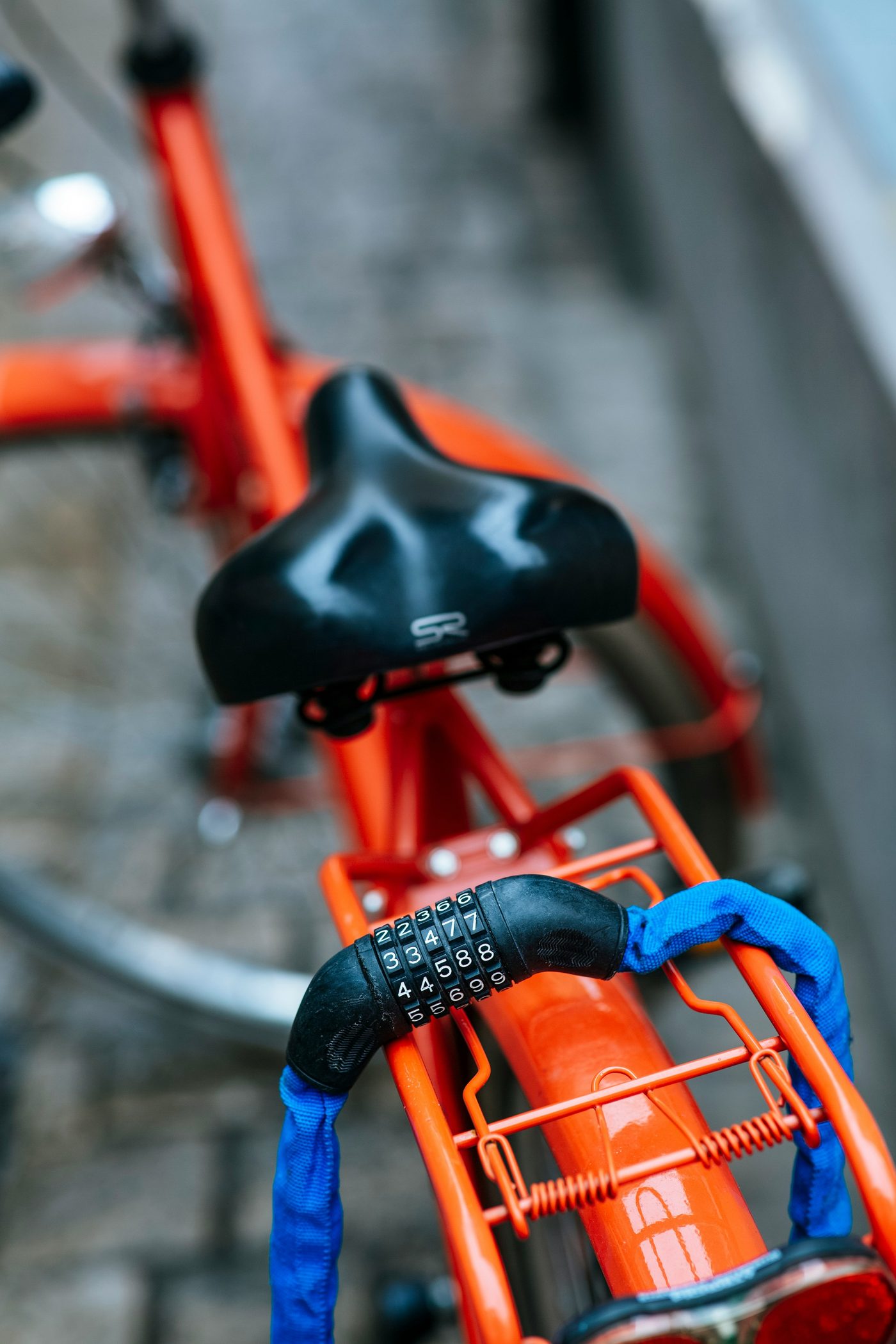
Quick take
- Lock the frame to something solid first. Wheels and accessories come second.
- One serious lock is a minimum for expensive e-bikes. Two different lock types make more sense than most buyers want to admit.
- The smartest theft move is often changing where and how long the bike sits, not just buying more hardware.
What good locking actually looks like
A good lock routine should feel deliberate and repeatable. You should know what gets locked first, which stops deserve a second lock, and when the better answer is simply not leaving the bike somewhere exposed for hours.
Good baseline routine
- lock the frame to an immovable object
- use a second lock for predictable or longer stops
- avoid making the battery and accessories too easy to strip
- treat repeat parking patterns like a risk factor, not a convenience
- prefer indoor control over heroic outdoor locking when possible
What buyers usually get wrong
- They lock a wheel and call it done.
- They spend heavily on the bike and almost nothing on the locking setup.
- They park the same expensive bike in the same visible spot every day.
- They assume a hallway, shared garage, or office corner automatically counts as secure.
One lock or two?
For a quick low-risk stop, one serious primary lock may be enough. For longer stops, work parking, or city routines that repeat every day, two locks make a lot more sense. One sturdy primary lock plus a secondary lock of a different style is usually more useful than a giant single-lock fantasy.
Apartment and commuter riders need different routines
Apartment buyers should think about whether the bike can come inside more often. Commuters should think about whether the parking pattern is so predictable that it deserves a more serious daily routine. The lock question is never just hardware. It is a parking-behavior question too.
What should be a non-negotiable filter?
If you know the bike will spend time parked outside routinely, features like removable batteries, built-in wheel locks, good accessory compatibility, and easier indoor storage all start to matter more. Theft prevention is often a bike-choice question before it becomes a lock-choice question.
What gets locked first
The frame is the first job. Not the front wheel. Not a basket. Not a quick rear-wheel cafe stop. ABUS recommends locking the frame and at least one wheel to a firmly anchored object, and for high-value bikes that is the right baseline. For expensive e-bikes, the most common mistake is spending thousands on the bike and then locking only a removable part.
How to build a smarter routine
- quick stop: serious primary lock through frame to a fixed object
- longer stop: add a second lock of a different type or secure the other wheel as well
- daily commuter stop: use the same routine every time and remove the battery when it meaningfully lowers risk
- home or shared building: do not assume a hallway or garage is secure just because it is not public
Where many riders under-lock
They under-lock at work, outside grocery stores, and in semi-private apartment spaces because those places feel familiar. But predictable parking patterns are exactly where theft routines get easier. If your bike parks in the same visible place every weekday, act like that location has already been noticed.
What secondary security is actually good for
Secondary security is not only about surviving a master thief. It is about adding hassle. A frame lock for a quick stop, a second lock for the other wheel, removing the battery, or choosing a busier and better-lit rack can all help. ABUS also notes that two different lock types force different tools and more time, which is exactly the point for bikes that get parked regularly.
FAQ
Is one lock ever enough?
Sometimes for short stops, but expensive e-bikes and predictable routines usually deserve more than a bare-minimum setup.
Should I remove the battery?
Often yes when it meaningfully lowers risk or makes indoor charging easier, especially for longer stops.
If theft anxiety is shaping the whole purchase, start here next
These pages help if the real decision is apartment storage, lock setup, work parking, or whether a removable battery should be mandatory.