
Should You Insure an E-Bike?
Usually yes once the bike is expensive, heavily used, or parked outside with any regularity. Insurance is less about paranoia and more about whether one bad theft or crash would create an annoying financial hole in your real life.
Editorial review note: This page is reviewed under ElectricBikeCompare's policy-sensitive editorial standard. Use it as general decision support alongside the exact policy language offered by your insurer or bike insurer.
Quick take
- Insurance is easiest to justify for expensive commuters, family bikes, and any e-bike that replaces car trips.
- Theft coverage matters, but crash damage, accessory coverage, and liability can matter too.
- A strong lock setup and registration still matter even if you insure the bike.
When insurance actually makes sense
- High replacement cost: the more the loss would hurt, the more insurance starts to make sense.
- Outside parking or public locking: regular theft exposure changes the math fast.
- Cargo or family use: expensive accessories, kid-carrying hardware, and utility use often make the bike more valuable than the base model price suggests.
- No easy fallback: if the bike is replacing a car or a major commute leg, fast recovery matters more.
When you can reasonably skip it
You can often skip separate insurance if the bike is inexpensive, usually stored indoors, rarely locked in risky public places, and easy for you to replace without financial stress. In that case, better locks, better parking habits, and solid documentation may do more for you than a policy.
What to check before paying for coverage
Read the theft requirements carefully. Some policies expect specific lock practices, proof of forced entry, or detailed documentation. Make sure accessories, cargo add-ons, passenger kits, spare batteries, and trailers are covered if they materially raise the replacement cost.
Home policy versus dedicated bike policy
Some homeowners or renters policies may help, but they often have lower limits, higher deductibles, or weaker e-bike-specific language. Dedicated bike coverage usually makes more sense when you ride daily, own a pricier model, or need coverage that treats the e-bike like a real transportation tool instead of a vague household item.
What always matters even if you insure it
- Keep the serial number and purchase records.
- Photograph the bike, battery, charger, and major accessories.
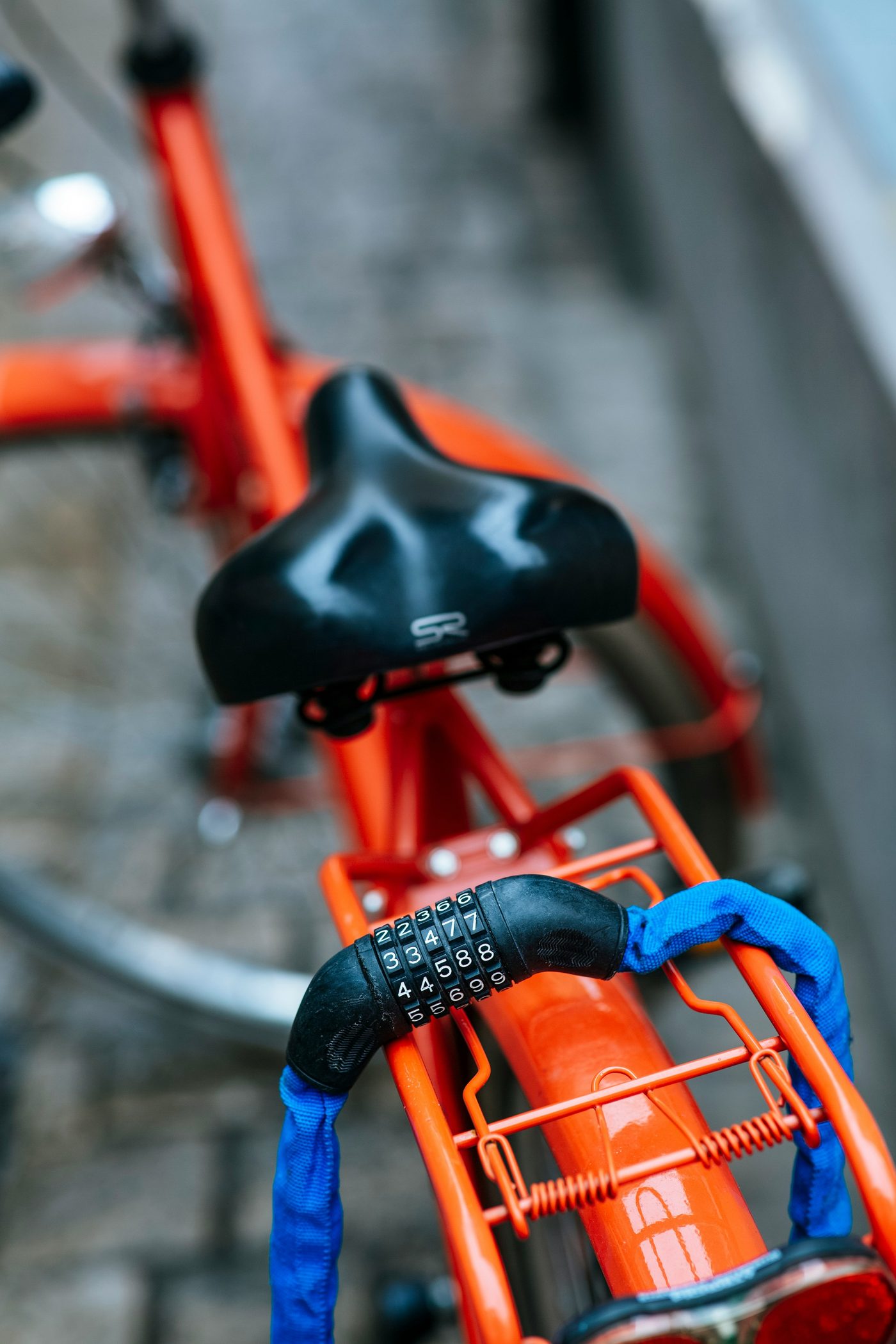
- Use a serious lock setup and anchored parking habits.
- Register the bike so proof and recovery are easier.
What dedicated bike insurance can do that a home policy often does not
Dedicated bike policies are worth considering because they often treat the bike like a bike instead of a generic household item. Velosurance currently markets full-value coverage, crash damage, theft coverage, accessory coverage, in-transit coverage, and optional liability-style protections for e-bikes. That does not mean every rider needs a policy, but it does show why a cheap assumption that renters or homeowners insurance is "good enough" can be overly optimistic.
Good reasons to insure
- The bike is expensive enough to ruin your month if it disappears.
- You lock in public often. Commute bikes, school-run bikes, and grocery haulers live in higher-risk parking situations.
- You have a lot of money in accessories. Extra batteries, passenger kits, trailers, cargo boxes, and child-carrying hardware matter.
- You would need the bike replaced quickly. Insurance is more compelling when the bike is part of transportation, not just recreation.
Questions to ask before paying for a policy
- What lock requirements apply, and do you already meet them?
- Are batteries, chargers, racks, and kid-carrying accessories included?
- Is the bike insured at replacement value or a lower depreciated value?
- What deductible would you actually accept without regretting the premium?
When skipping insurance is still reasonable
Skipping coverage can be rational if the bike is modestly priced, parked indoors almost all the time, rarely locked outside, and easy for you to replace. In that case, good locks, registration, photos, serial records, and indoor storage often produce more value per dollar than a policy. The mistake is not choosing to self-insure. The mistake is self-insuring while also keeping weak records and lazy parking habits.
When insurance is most worth paying for
Insurance makes the most sense when replacement cost would hurt, theft risk is real, or the bike carries expensive accessories that would sting to replace out of pocket. Velosurance's current coverage framing is useful here because it highlights theft, crash damage, accessories, and optional liability-style protections that many riders assume are already covered elsewhere when they may not be. That is why insurance tends to make more sense for daily commuters, apartment riders, cargo-bike owners, and anyone locking up outside regularly.
If the bike is inexpensive, rarely leaves home, and would not be financially painful to replace, insurance can be optional. The more your bike behaves like daily transportation instead of a casual toy, the more insurance starts to look reasonable.
Bottom line
Insure an e-bike when theft exposure is real, replacement would hurt, or the bike plays a serious role in your commute or family routine. Skip it when the bike is low risk and easily replaceable, but do not confuse “not insured” with “does not need documentation and lock discipline.”
Sources used for this page
This page is based mainly on primary policy and coverage information. That includes insurer coverage pages, policy framing from dedicated bike insurers where relevant, and the ownership details that usually shape whether coverage is worth paying for.