
Do You Need a Range Extender for an E-Bike?
Usually no. Most buyers who think they need a range extender actually need better expectations, a second charger, or a different bike choice. A range extender makes sense when your route regularly pushes past what your normal battery can do and the bike is actually designed to support one.
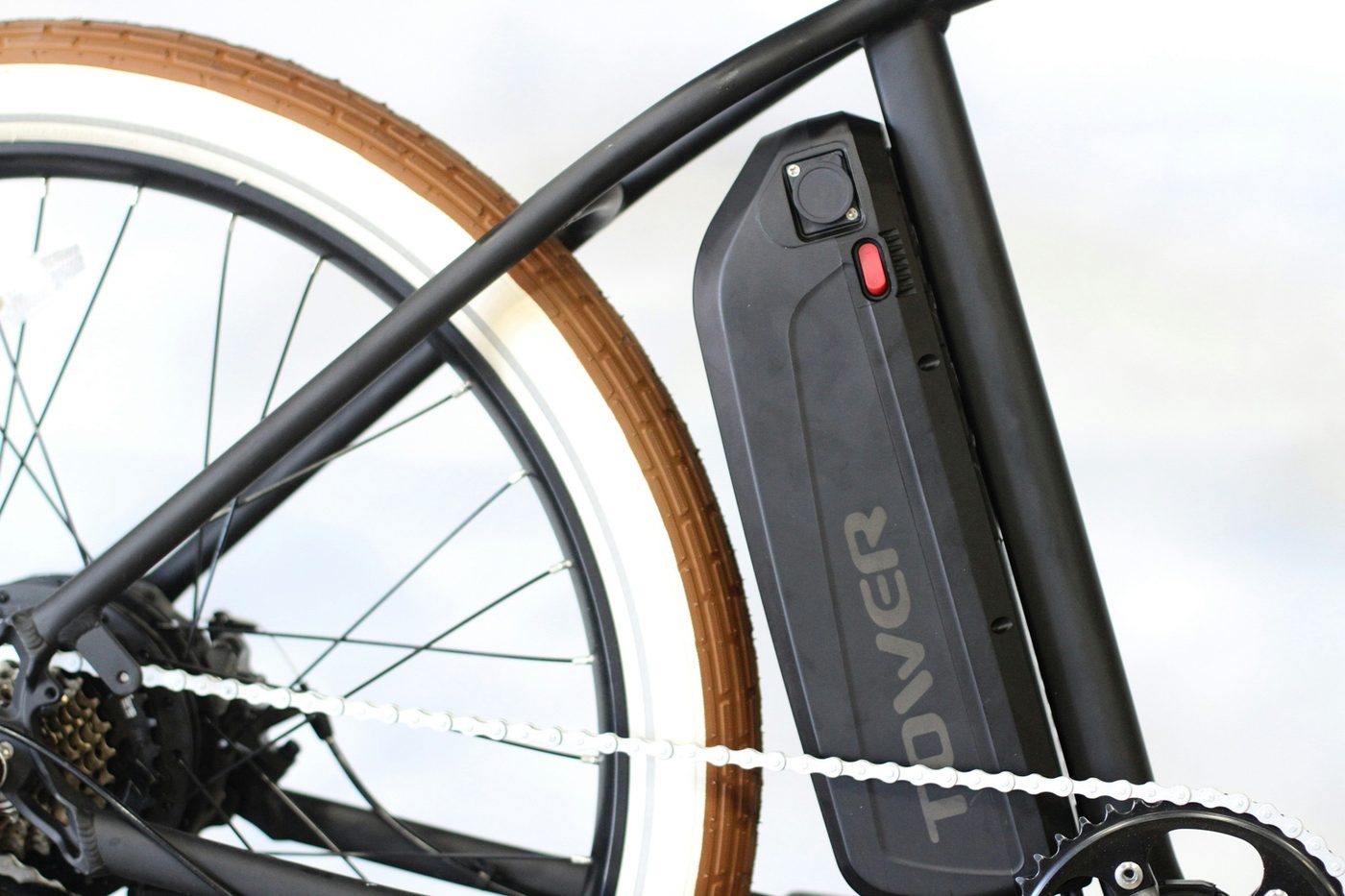
Quick take
- Do not start by assuming every e-bike can take a range extender. Compatibility is system-specific.
- Buy one when your real route repeatedly outruns your current battery, not because longer range sounds nice.
- For many riders, a spare charger or more realistic assist use is the cheaper, simpler answer.
What a range extender is really for
A range extender is useful when you already know your ride pattern is bigger than your normal battery can comfortably cover. Think long recreational routes, hard hill days, very cold weather, heavy cargo use, or long round-trip commutes without charging at the destination.
It is much less useful when the problem is vague range anxiety. If you are doing 8- to 20-mile days with normal assist use, you probably do not need to strap more battery onto the bike just to feel better.
Compatibility is the real gatekeeper
This is where many buyers go wrong. Bosch's current PowerMore guidance makes it clear that extender compatibility depends on the bike model, motor system, battery setup, software status, and whether the manufacturer approved the configuration. That is why “I will just add more battery later” is not a safe assumption when shopping.
If the bike maker does not clearly support a range extender, treat the bike as if it does not have that option at all.
When a range extender does make sense
- Long commute with no destination charging: You are regularly close to empty by the end of the round trip.
- Cargo or family hauling: Extra load and stop-and-go riding burn through battery faster than relaxed solo cruising.
- Cold-weather riding: Winter range loss can make a previously comfortable route feel tighter.
- High-assist habit you actually plan to keep: If you consistently ride harder modes and that is part of why you bought the bike, more battery may be reasonable.
When it is probably overkill
- Your rides are moderate and you just have not learned what your normal real-world range looks like yet.
- You can easily charge at work, school, or a second home base.
- You are choosing the extender because the bike's base battery already feels borderline for your life. In that case, a different bike may be the better answer.
- You hate extra weight, cost, clutter, or charging complexity.
Better alternatives for many riders
- A second charger: Often the cheapest fix if destination charging is available.
- A removable battery setup: Makes midday charging easier than hauling another battery module around.
- More realistic assist use: Riding in lower assist on flatter parts of the route can change the math a lot.
- Buying the right bike up front: If you already know you do big miles, choose enough battery from the start.
Bottom line
Buy a range extender when your actual riding pattern repeatedly calls for it and the bike is clearly designed to support it. Skip it when you are mostly shopping for emotional comfort. For many buyers, smarter route planning, destination charging, or a better-matched base bike is the better answer.
Keep narrowing the battery question
What usually solves the problem first
Before you spend extender money, check whether the real problem is a bad routine rather than a missing battery. Many riders get more practical value from charging at work, carrying the charger to a second location, riding one assist level lower on the easy half of the trip, or choosing tires and pressures that match the route better.
The other common fix is buying the right bike in the first place. If you are shopping for a bike that will always live near the edge of its range, that is usually a bike-choice problem, not an extender problem.
When an extender is the wrong answer
- Your route is usually short: You are paying for capacity you will rarely use.
- You already hate carrying and storing the bike: More battery usually means more weight and one more thing to manage.
- You are hoping it will rescue a weak support ecosystem: Battery complexity is not where you want a shaky dealer or parts situation.
What to check before budgeting for one
- Can the exact bike and system officially support one?
- Where will it mount, and does that create bag or bottle-cage conflicts?
- Does it meaningfully change the ride, or just add weight you notice every day?
- Would a second charger solve the real problem more cheaply?
If those answers are fuzzy, do not treat a range extender as part of the plan yet.